 blog
Red Stone vs Namti Spa: Which Massage Fits You
Last Updated: October 23, 2026
Quick Summary
Red stone massage vs Namti Spa comes down to heat delivery and philosophy. Red stone uses heated volcanic basalt stones for deep muscle relaxation through sustained warmth and pressure, while Namti Spa takes a broader therapeutic approach that integrates multiple techniques, energy work, and customization based on your specific needs.
- Red stone massage typically lasts 60 to 90 minutes with basalt stones that hold heat longer and penetrate deeply
- Salt stones used by some providers feel smoother and gentler than basalt, though both deliver heat effectively
- Namti Spa emphasizes customized sessions combining stretching, pressure point work, and energy techniques beyond stone work alone
- Choose red stone if you want straightforward heat-plus-pressure relief; choose Namti's approach if you need customization for specific pain or goals
- The best massage for you depends on what your body actually needs, not which technique is objectively superior
Table of Contents
- Red Stone Massage vs Namti Spa: The Core Differences
- What to Expect from a Hot Stone Massage
- Hot Stone vs Salt Stone Massage: Which Technique Works Better
- Namti Spa's Approach to Therapeutic Bodywork
- Questions to Ask Before Booking a Massage
- How to Choose Between Red Stone and Namti Spa
- Why Customization Matters in Your Massage Experience
- Frequently Asked Questions
Red Stone Massage vs Namti Spa: The Core Differences
When you're choosing between a red stone massage and Namti Spa's approach to bodywork, you're really deciding between two different philosophies about what your body needs.
Red stone massage uses heated volcanic stones as the primary tool. The warmth penetrates muscle tissue and the therapist uses the stones to apply pressure and movement. Namti Spa takes a different route, their work centers on salt stone techniques and their own signature therapeutic approach.
The real difference between red stone massage vs Namti Spa comes down to heat delivery and therapeutic intention. One focuses on the stone as an instrument. The other emphasizes a broader bodywork philosophy that may or may not prioritize stone work at all.
What to Expect from a Hot Stone Massage
A hot stone massage typically lasts 60 to 90 minutes. Your therapist will heat smooth basalt stones to a comfortable temperature, then place them on key areas of your body, usually your back, shoulders, and limbs, before using them to massage your muscles.
The heat does real work. It relaxes muscle fibers, increases blood flow, and creates a sense of deep calm that many people find hard to achieve any other way. The therapist may also hold stones in their hands while performing massage strokes, combining the warmth with direct pressure.
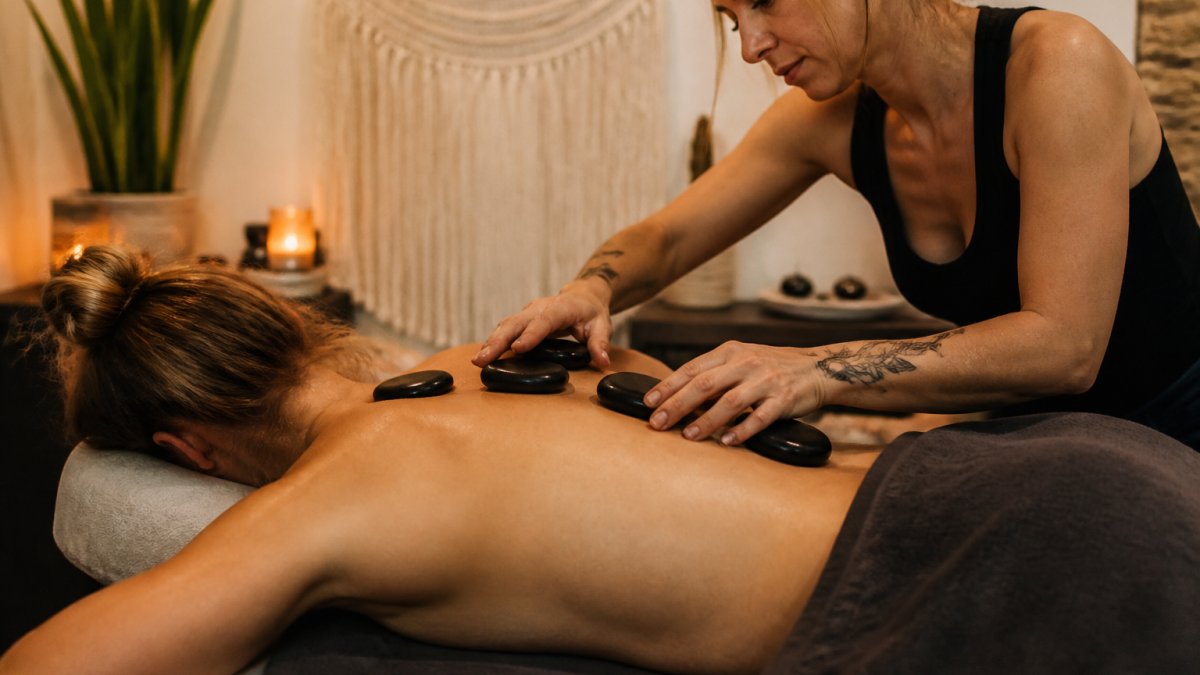
What most people don't expect is how passive the experience feels at first. You're not doing anything, the stones are doing the work. That surrender is part of why it's effective. Your nervous system downshifts when external heat is applied and you're not bracing against pressure.
Common sensations include:
- Initial warmth that gradually deepens into relaxation
- Muscle tension releasing as the heat penetrates
- A floating sensation, especially in your shoulders and lower back
- Improved sleep quality for 1-2 days afterward
The experience varies based on your therapist's skill. A skilled practitioner knows exactly how hot the stones should be, how long to leave them in place, and when to switch to active massage work. That's where the craft matters.
Hot Stone vs Salt Stone Massage: Which Technique Works Better
This is where red stone massage vs Namti Spa gets specific. Red stone uses volcanic basalt. Salt stone uses, you guessed it, compressed salt stones, often Himalayan salt.
Salt stones have different properties than basalt. They retain heat differently, they feel different against your skin, and they're believed to have mineral benefits that basalt doesn't offer. Some people report that salt stones feel gentler or more energetically aligned with their body's needs.
Here's the honest answer: both work. The question is which one your body responds to better. Some people find salt stones more soothing. Others prefer the deeper heat penetration of basalt. Neither is objectively superior, it depends on your preference and what your body is asking for.
The choice between hot stone vs salt stone massage often comes down to:
- Heat retention: Basalt holds heat longer and more intensely
- Mineral content: Salt stones are believed to offer additional mineral benefits
- Sensation: Salt feels smoother; basalt feels more substantial
- Therapist training: Not all therapists are equally skilled with both
What matters most is that your therapist knows their chosen stone well and uses it intentionally.
Red stone and salt stone massages deliver heat differently and create distinct experiences.
| Aspect | Basalt (Red Stone) | Salt Stone |
|---|---|---|
| Heat retention | Holds heat longer and more intensely | Retains heat differently |
| Mineral benefits | Standard basalt properties | Believed to offer mineral benefits |
| Sensation | Feels more substantial | Feels smoother |
| Best for | Deeper heat penetration | Gentler, more soothing experience |
Namti Spa's Approach to Therapeutic Bodywork
Namti Spa's methodology extends beyond stone work. Their approach integrates multiple techniques and focuses on what they call therapeutic bodywork, a broader framework that may include stretching, pressure point work, and energy-based techniques alongside any stone work.
This is important context when comparing red stone massage vs Namti Spa. You're not just comparing stone types; you're comparing entire treatment philosophies.
Namti Spa's signature approach tends to emphasize:
- Integration of multiple bodywork modalities
- Attention to energy flow and alignment
- Customization based on your specific needs
- A focus on therapeutic outcomes beyond relaxation
The difference is subtle but real. A red stone massage is often more straightforward, heat plus pressure equals relief. Namti's approach asks deeper questions about what your body actually needs and tailors the session accordingly.
Questions to Ask Before Booking a Massage
Before you commit to any massage, whether you're considering red stone massage vs Namti Spa or any other provider, ask these questions:
About the therapist:
- How long have you been practicing?
- What specific training do you have for my concern? (chronic pain, injury recovery, stress, etc.)
- Have you worked with clients who have similar issues to mine?
About the session:
- How long is the session and what does that time include?
- Will you customize the work to my needs, or follow a standard protocol?
- What should I expect to feel during and after the massage?
About their philosophy:
- How do you approach therapeutic work? What's your framework?
- Do you combine techniques or focus on one modality?
- How do you know if a session is working?
Practical details:
- What's your cancellation policy?
- Do you offer mobile appointments if I prefer to stay at my accommodation?
Learn how to choose a massage therapist with our detailed framework for finding the right LMT
The questions you ask reveal whether a therapist has thought deeply about their work or just follows a template. Listen for specific answers, not generic ones.
How to Choose Between Red Stone and Namti Spa
Start by being honest about what you're looking for. Are you seeking pure relaxation? Targeted pain relief? A spiritual or energetic experience? A combination?
Red stone massage works best if you want:
- Deep muscle relaxation through sustained heat
- A straightforward, effective technique
- Predictable results (heat + pressure = relief)
- A more traditional massage experience
Namti Spa's approach makes sense if you want:
- A customized session that addresses your specific needs
- Integration of multiple therapeutic techniques
- Attention to energy and alignment alongside physical work
- A therapist who asks questions and adapts in real time
Here's what we recommend: explore the full range of massage services Body Alchemy Sedona offers to understand all your options. Our therapist-led approach means every session is customized to what your body actually needs.
The real answer to red stone massage vs Namti Spa isn't that one is objectively better. It's that different approaches work for different people and different situations. What matters is finding a therapist who listens, understands your needs, and has the skill to deliver what you're looking for.
Why Customization Matters in Your Massage Experience
Generic massage is fine if you just want relaxation. But if you're dealing with chronic pain, recovering from an injury, or seeking genuine transformation, customization changes everything.
When a therapist takes time to understand your body, your history, your current pain patterns, your goals, they can design a session that actually addresses what's happening. That might mean red stone work for one client, salt stone for another, and a completely different approach for someone else.
Discover how to enhance your massage with add-ons like aromatherapy, hot stones, energy healing, and breathwork to create a deeply personalized experience that supports your specific healing journey.
The difference between a standard massage and a customized one is the difference between surface-level relief and real transformation. Customization is where the actual alchemy happens.
Choosing between red stone massage vs Namti Spa comes down to understanding what each approach offers and what your body actually needs. The best massage isn't the most popular one, it's the one designed specifically for you. At Body Alchemy Sedona, we customize every session around your unique needs, combining techniques like energy healing and breathwork to create the exact experience your body is asking for. Book your personalized massage appointment and discover what it feels like to receive care that's truly tailored to you.
Frequently Asked Questions
What's the actual difference between red stone massage and Namti Spa's services?
Red Stone Massage typically focuses on stone-based techniques using heated rocks to ease muscle tension and promote circulation. Namti Spa offers a broader range of therapeutic services. The real difference comes down to specialization: Red Stone centers its practice around stone therapy, while Namti Spa integrates multiple modalities. Your choice depends on whether you want deep expertise in one technique or flexibility across different approaches.
Is hot stone massage suitable for chronic pain, or should I look elsewhere?
Hot stone massage can help with chronic pain by improving blood flow and reducing muscle tension, but it works best when paired with a therapist who understands your specific condition. Before booking anywhere, ask whether the therapist has experience with your type of pain and whether they customize sessions accordingly. Some practitioners blend stone therapy with other techniques for better results.
How long does a typical hot stone massage session last, and will one session make a real difference?
Most stone massage sessions run 60-90 minutes. One session absolutely can make a difference, many people feel immediate relief and relaxation. However, if you're managing chronic tension or stress, regular sessions tend to produce more lasting benefits. Ask your therapist about their recommendations for your specific situation rather than committing to a package upfront.
What should I ask a massage therapist before booking to make sure they're a good fit?
Ask about their training and experience with your specific needs (chronic pain, injury recovery, relaxation, etc.). Inquire whether they customize sessions or follow a standard routine. Ask how they handle feedback during the session and what their cancellation policy is. Find out if they're available for in-studio or mobile appointments, and whether they take time to understand your health history before starting. A good fit means the therapist listens and adapts.