 comparison
Deep Tissue vs Relaxation Massage Explained
Table of Contents
- What Deep Tissue and Relaxation Massage Actually Do
- Deep Tissue Massage vs Swedish Massage: Pressure and Technique
- How to Prepare for a Massage Session
- What to Expect During a Deep Tissue Massage
- How Long Should a Massage Last for Real Results
- Choosing Between Deep Tissue and Relaxation: What Matters
- What Happens After Your Session
- Frequently Asked Questions
Last Updated: October 11, 2026
What Deep Tissue and Relaxation Massage Actually Do
Deep tissue vs relaxation massage explained: these are fundamentally different approaches to bodywork, each designed with distinct goals in mind. At Body Alchemy Sedona, we work with clients daily who come in unsure which style will serve them best, and the answer depends entirely on what your body needs right now.
Relaxation massage uses gentle, flowing strokes and lighter pressure to calm your nervous system and ease surface tension. Deep tissue massage applies slower, firmer pressure to reach deeper muscle layers, targeting chronic tension and knots. These aren't just pressure differences; they're different philosophies about what healing looks like.
The choice matters because choosing wrong means you'll leave the session feeling like something was missing. You might get a relaxation massage when you actually need targeted work on that old shoulder injury, or you might book deep tissue when what you really need is to decompress.
Deep Tissue Massage vs Swedish Massage: Pressure and Technique
Most people use "Swedish massage" and "relaxation massage" interchangeably, but understanding the distinction helps you communicate clearly with your therapist about what you want.
Swedish massage uses long, flowing strokes with light-to-firm pressure. The therapist works systematically across your whole body, focusing on releasing surface tension and improving circulation. It's the foundation of relaxation work, the approach that helps your nervous system shift from fight-or-flight into rest mode.
Deep tissue massage takes a completely different path. Your therapist uses slower strokes, focused pressure, and sometimes their forearms or elbows to access the deeper muscle layers beneath the surface. This isn't about feeling good during the session (though it often does). It's about addressing adhesions, scar tissue, and chronic tension that's been locked in your muscles for months or years.
The pressure in deep tissue work can feel intense. Some people describe it as "good hurt", the kind of sensation that tells you something real is shifting. But intensity isn't the goal; specificity is. A skilled deep tissue therapist knows exactly which layers to access and how long to hold pressure before moving on.
How to Prepare for a Massage Session
What you do before your appointment shapes the entire experience. Most people show up and hope for the best, but a few simple steps make a measurable difference.
Arrive 10-15 minutes early. This gives you time to settle your nervous system instead of rushing in stressed. Drink water an hour or two before your session, not right before, you want to be hydrated but not uncomfortable. Wear comfortable clothes you can easily change out of.
Before your appointment, let your therapist know about any injuries, chronic pain, or areas you want them to focus on. At Body Alchemy Sedona, we customize every session based on what you share. If you've never had deep tissue work, mention that. If you're recovering from an injury, say so. This information shapes how your therapist approaches your body.
Avoid heavy meals right before your appointment. Your body will be focused on digestion rather than releasing tension. Similarly, skip intense workouts the day of your massage, your muscles are already stressed and won't respond as well to therapeutic work.
What to Expect During a Deep Tissue Massage
A deep tissue massage typically begins with you lying face-down on a heated table, undressed to your comfort level and draped with a sheet.
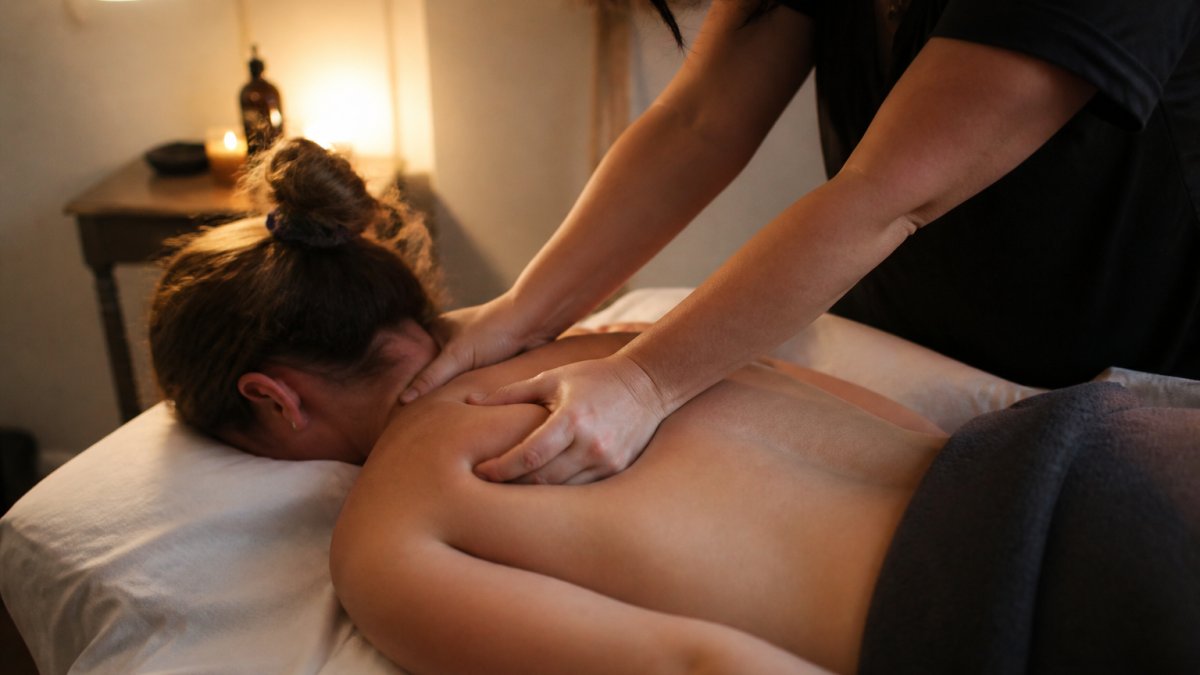
Then the work begins. You'll feel sustained pressure as your therapist uses their hands, forearms, and sometimes elbows to work into the deeper layers. They might ask you to breathe into the pressure or let them know if anything feels too intense.
Discomfort during the session is normal and expected. Many people feel a dull ache or intense pressure, especially over areas holding chronic tension. That sensation usually fades as the muscle releases. Some describe it as "good hurt", the kind that signals something real is shifting.
You might also experience what's called a "release", a sudden shift where tension you didn't even know you were holding just lets go. It can feel like a twitch, a sigh, or just a wave of relief.
A full-body deep tissue massage typically covers your back, shoulders, neck, legs, and arms. Your therapist might spend extra time on the areas you mentioned during your intake conversation. The entire session usually takes 60 to 90 minutes.
Post-session soreness is also normal. Many people wake up the next day feeling muscle soreness similar to what you'd experience after a new workout. This is your muscles acknowledging that something shifted. The soreness usually fades within 24 to 48 hours.
How Long Should a Massage Last for Real Results
Session length depends on what you're trying to accomplish. A 30-minute massage can address a specific problem area, your neck, one shoulder, lower back. But if you're looking for whole-body work or deep release, you need more time.
Most people see meaningful results from 60-minute sessions. This gives your therapist enough time to warm up your muscles, address problem areas, and leave you feeling genuinely restored rather than rushed. A 90-minute session allows for deeper work, especially if you're dealing with chronic tension or recovering from injury.
The frequency question matters too. One massage is wonderful, but the benefits fade within a few days to a week. If you're managing chronic pain or stress, regular sessions, weekly or bi-weekly, create cumulative healing. Your muscles begin to remember what relaxation feels like, and each session builds on the previous one.
Choosing Between Deep Tissue and Relaxation: What Matters
Here's the honest truth: the best massage for you depends on what your body is asking for right now, not what sounds appealing.
Choose relaxation massage if you're primarily dealing with stress, anxiety, or general tension. You're not recovering from an injury or managing chronic pain; you just need to slow down and let your nervous system reset. Relaxation work excels at this.
Choose deep tissue massage if you have specific areas of chronic tension, old injuries, or restricted movement. You're not looking for a spa experience; you're looking for targeted therapeutic work. Deep tissue addresses the underlying tissue restriction that lighter pressure can't reach.
Many people need both. You might book deep tissue work on your lower back while getting relaxation massage on your neck and shoulders. A skilled therapist can blend approaches based on what your body needs, not a one-size-fits-all protocol.
Here's what most guides miss: your preference matters less than your nervous system's state. If you're already stressed and anxious, deep tissue pressure can feel threatening even if it's technically what you need. Your muscles won't release under pressure if you're braced against it.
Before booking, consider whether massage is appropriate for your current situation. Massage is generally safe for most people, but certain conditions warrant caution or require modifications:
- Acute injury or inflammation: If you've injured yourself in the last 48 hours, deep tissue work can worsen swelling. Wait a few days or ask your therapist for a gentler approach.
- Fever or active infection: Skip massage if you're sick. Your immune system is already working hard, and massage can spread infection or delay recovery.
- Blood clots or clotting disorders: Massage increases circulation and can dislodge clots. If you have a history of deep vein thrombosis, pulmonary embolism, or take blood thinners, consult your doctor before booking.
- Cancer treatment: Some massage techniques can interfere with treatment or spread cancer cells. If you're undergoing chemotherapy or radiation, ask your oncologist which massage styles are safe.
- Severe osteoporosis: Firm pressure can increase fracture risk. Relaxation massage is usually fine; deep tissue should be discussed with your doctor.
- Recent surgery: Wait at least 6 weeks post-surgery before massage, and get clearance from your surgeon. Scar tissue needs time to stabilize.
- Skin conditions: Avoid massage over areas with active rashes, infections, or open wounds.
- Pregnancy: Massage is often safe during pregnancy, but certain pressure points and positions need to be avoided. Work with a therapist trained in prenatal massage.
If you're on medications, especially blood thinners or pain relievers, mention this to your therapist. Some medications affect how your body responds to pressure or increase bruising risk.
The bottom line: If you have any chronic health condition, are recovering from surgery or injury, or take regular medications, a quick conversation with your doctor or therapist before your first appointment is worth the peace of mind. Most of the time, massage is fine, it just needs to be tailored to your situation.
| Consideration | Deep Tissue | Relaxation |
|---|---|---|
| Best for | Chronic tension, old injuries, restricted movement | Stress relief, nervous system reset, general tension |
| Pressure level | Firm, sustained, slow | Light to medium, flowing |
| Discomfort during session | Common, usually fades | Minimal |
| Time needed | 60-90 minutes for full benefit | 60 minutes is ideal |
| Frequency for results | Weekly or bi-weekly | Weekly or as-needed |
| Safety considerations | Avoid if acute inflammation, post-surgery, or blood clots | Generally safe; mention pregnancy, skin conditions |
What Happens After Your Session
Your massage doesn't end when you leave the table. The next 24 to 48 hours are when much of the real work happens.
Drink plenty of water. The pressure and movement during massage releases metabolic waste stored in your muscles. Water helps flush it out. Dehydration after a massage often causes mild soreness or headaches, easily prevented.
You might feel sore the next day, especially after deep tissue work. This is normal. It's not pain; it's your muscles acknowledging that something shifted. The soreness usually fades within 24 to 48 hours. If it lingers longer or feels sharp, mention it at your next appointment.
Avoid intense exercise for at least 24 hours. Your muscles are in a recovery state. Give them time to integrate the work rather than stressing them immediately.
Many people sleep deeply the night after a massage. Your nervous system is in rest mode, and your body takes advantage of that to do genuine healing work. Don't be surprised if you sleep longer than usual or wake up feeling more rested than you have in months.
The real magic of massage accumulates over time. One session feels good. A series of sessions creates lasting change in how your body holds tension, how your nervous system responds to stress, and how you move through your day.
Understanding deep tissue vs relaxation massage explained helps you make choices aligned with what your body actually needs. At Body Alchemy Sedona, we customize every session, blending pressure, technique, and intention based on your unique situation.
Frequently Asked Questions
Does deep tissue massage hurt?
Some discomfort is normal during deep tissue massage, especially if you're working on tight muscles or chronic tension. You should feel pressure and intensity, but not sharp pain. A good therapist listens to your feedback and adjusts. If something hurts, speak up, your comfort matters. Soreness afterward (similar to post-workout soreness) can happen, but severe pain isn't the goal.
Can a relaxation massage help with muscle tension?
Yes, but differently than deep tissue massage. Relaxation massage uses gentler pressure and longer strokes to ease tension gradually and calm your nervous system. It's better for mild tension, stress-related tightness, and overall relaxation. If you have chronic knots or deep muscle tension, deep tissue is more direct. Many people benefit from relaxation massage for ongoing stress management and prevention.
How do you choose between deep tissue and relaxation massage?
Start with your main goal. If you want stress relief, better sleep, and overall calm, relaxation massage fits. If you have specific muscle knots, chronic pain, or restricted movement, deep tissue works better. Also consider your pain tolerance and schedule, deep tissue requires recovery time, while relaxation is gentler. A skilled therapist can blend both approaches based on what your body needs that day.
Who should not get a deep tissue massage?
Deep tissue isn't ideal if you have certain conditions like blood clots, severe osteoporosis, open wounds, or acute inflammation. Pregnancy, recent surgery, or certain medications may also call for gentler work. If you're unsure, talk to your healthcare provider before booking. A good therapist will ask about your health history and can recommend relaxation massage or other options if deep tissue isn't right for you.