 how-to
Massage Therapy for Injury Recovery: A Practical Guide
Table of Contents
- Understanding Massage Therapy for Injury Recovery
- How Neuromuscular Massage Supports Healing
- Massage for Sports Injuries: What Works
- Combining Massage and Physical Therapy for Faster Recovery
- Choosing the Right Therapist for Your Injury
- What to Expect in Your Recovery Timeline
- When to Seek Medical Care First
- Getting Started With Your Recovery Plan
- Frequently Asked Questions
Last Updated: October 10, 2026
Understanding Massage Therapy for Injury Recovery
Massage therapy injury recovery is a hands-on approach to healing that addresses muscle tension, improves circulation, and supports your body's natural repair process. At Body Alchemy Sedona, we offer customized massage therapy that can support your body's natural repair process.
The key difference between a generic relaxation massage and one designed for injury recovery is intent. A therapeutic massage focuses on specific problem areas, uses techniques that address the underlying tissue damage, and adjusts pressure based on your healing stage. It's not just about feeling better in the moment, it's about actually moving your body toward full function.
How Neuromuscular Massage Supports Healing
Neuromuscular massage targets the deep layers of muscle and connective tissue where injuries often create lasting tension. This technique applies sustained pressure to trigger points, areas where muscle fibers have become knotted or restricted, to release tension and restore normal movement patterns.
When you're injured, your muscles naturally tighten around the damaged area as a protective response. That's helpful in the first few days, but prolonged tension actually slows healing by restricting blood flow and preventing proper tissue repair. Neuromuscular work breaks that cycle by applying precise pressure that signals your nervous system to release the protective holding pattern.
What Happens During a Neuromuscular Session
During a neuromuscular massage session, your therapist will assess your injury, identify which muscles are compensating or holding tension, and apply sustained pressure to specific trigger points. You'll feel intense pressure that gradually softens as the muscle releases. Sessions can be tailored to your injury and recovery stage.
The work can feel intense, which is normal. The goal is to reach the deeper layers where the tension lives. Your therapist should check in regularly about pressure levels, communication matters. You should leave feeling a sense of release. Staying hydrated and moving gently helps your body process the work.
Massage for Sports Injuries: What Works
Sports injuries create specific patterns of tension and compensation. Your body doesn't just injure one muscle, it tightens everything around it to protect the damage. A therapist trained in sports injury recovery understands these compensation patterns and can address not just the injured area, but all the muscles that have shifted their function to protect it.
The timing of massage in your recovery matters. In the first 48 to 72 hours after acute injury, you typically want to avoid deep pressure work. Light, gentle massage can help with swelling and pain management, but aggressive work can increase inflammation. After that initial window, deeper techniques become more beneficial as your body moves into the repair phase.
Common Sports Injuries That Respond Well to Massage
Hamstring strains, rotator cuff injuries, ankle sprains, and lower back strains all respond well to targeted massage therapy when combined with appropriate rest and rehabilitation. Massage helps restore flexibility, reduce scar tissue formation, and retrain muscles to work properly again.
Tennis elbow and golfer's elbow, overuse injuries in the forearm and elbow, respond particularly well because the problem often isn't just in the elbow itself but in tension running through the entire arm and shoulder.
Knee injuries are trickier. Massage around the knee can help, but the real work often happens in the quadriceps, hamstrings, and calf muscles that support knee function. Direct work on the knee joint itself is usually limited to gentle techniques.
Combining Massage and Physical Therapy for Faster Recovery
Physical therapy and massage therapy serve different purposes, and they work better together than separately. Physical therapy rebuilds strength and movement patterns through exercise. Massage removes the physical restrictions that prevent proper movement. When you combine them, you're addressing both the structural damage and the protective tension that surrounds it.
The ideal sequence is usually massage first to release tension, then physical therapy to rebuild strength and control. Some people benefit from alternating sessions, massage one day, PT the next, to keep the tissues responsive and prevent re-tightening. Talk with both your physical therapist and massage therapist about coordinating your care. They should be communicating about your progress and adjusting their approach based on what the other is doing.
Choosing the Right Therapist for Your Injury
Not every massage therapist is trained to work with injuries. Some specialize in relaxation, others in sports medicine, others in specific techniques like myofascial release or trigger point therapy.
When evaluating a therapist, ask about their training in massage therapy injury recovery and sports medicine. Ask how many clients they've worked with who had injuries similar to yours. Experience matters, a therapist who regularly works with your specific injury type will understand the compensation patterns and know which techniques will help.
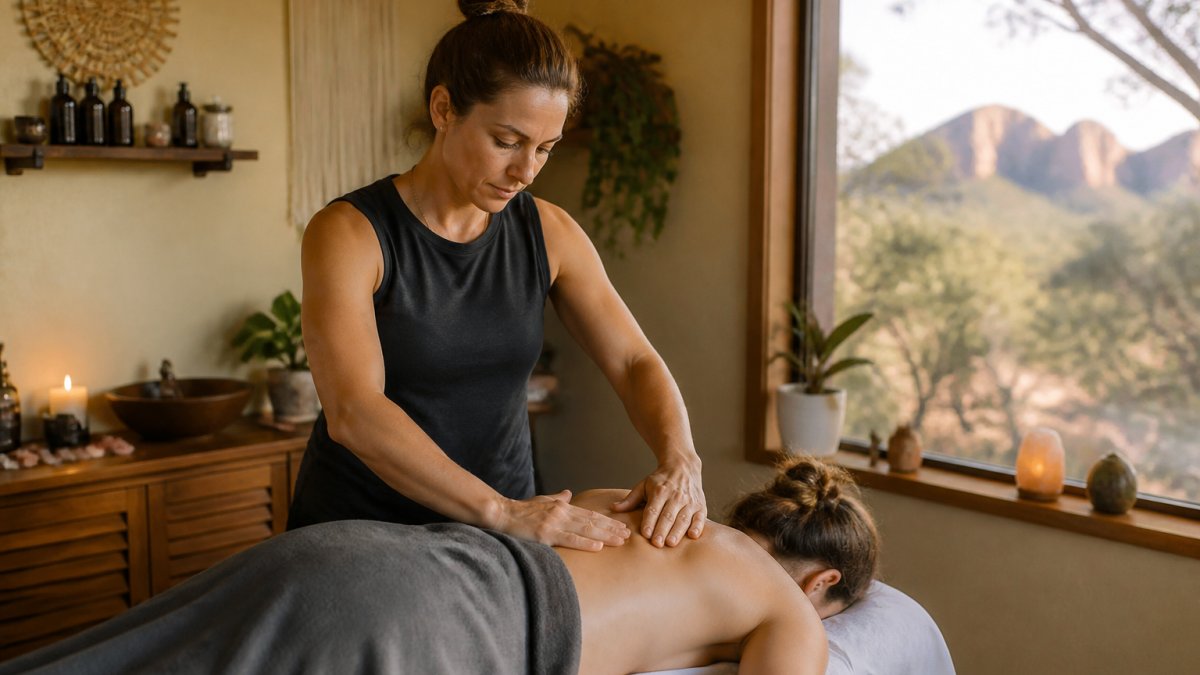
Questions to Ask Before Your First Appointment
Before booking, ask these questions to ensure the therapist is the right fit for your injury:
- What training do you have in treating [your specific injury]?
- How do you assess an injury and create a treatment plan?
- Do you communicate with physical therapists or doctors treating my injury?
- What should I expect to feel during and after the session?
- How many sessions do you typically recommend for this type of injury?
- Do you offer both in-studio and mobile appointments?
A good therapist will answer these directly and ask you questions about your injury, your goals, and your recovery timeline. They should explain their approach in plain language and be willing to adjust their work based on your feedback.
What to Expect in Your Recovery Timeline
Recovery from injury through massage isn't linear. You might feel significantly better after two sessions, then plateau for a while as your body adapts. That's normal and doesn't mean the work isn't happening. What matters is tracking the right metrics so you know whether your recovery plan is actually working.
Tracking Progress: What to Measure
Instead of relying on how you feel in the moment, track specific, measurable changes. Pain level is one metric. But pain alone is misleading. You also want to track:
Range of motion: Can you move the injured area further without pain? If you have a shoulder injury, can you raise your arm higher? If it's a knee injury, can you bend it more? Measure this objectively, use a wall to mark how high you can reach, or note how many degrees you can rotate your shoulder.
Functional ability: Can you do things you couldn't do before? Walk without limping, climb stairs without pain, reach overhead without discomfort, grip something without weakness. These real-world improvements matter more than any single metric.
Swelling and inflammation: Does the injured area look and feel less puffy? Reduced swelling is a sign that circulation is improving and inflammation is decreasing.
Strength and endurance: Can you do more activity before fatigue sets in? If you have a hamstring strain, can you walk further, or do more repetitions of a strengthening exercise?
Bring this information to your massage therapist and physical therapist. If you're not seeing improvement in at at least one of these areas, your treatment plan may need adjustment.
Timeline Expectations by Injury Type
Acute injuries (first 2 weeks): You should see pain reduction and improved mobility within the first 3-5 sessions. Swelling typically decreases noticeably.
Early recovery (weeks 3-6): Most acute injuries show significant functional improvement by week 4-6 when massage is combined with physical therapy and appropriate rest.
Active recovery (weeks 6-12): Chronic or more severe injuries take longer. Your tissues have adapted to the injury pattern, and retraining them requires patience. You might work with a therapist for 8-12 weeks before reaching full recovery.
Maintenance (3+ months): Once you've recovered, occasional massage, every 2-4 weeks, helps prevent re-injury by keeping the tissues supple and catching new tension before it becomes a problem.
Adjusting Your Plan Based on Progress
After your initial sessions, sit down with your therapist and assess what's working. Ask these questions:
- Am I seeing improvement in pain, mobility, strength, or function?
- Is the pressure level right, or do I need deeper or lighter work?
- Should we increase, decrease, or maintain session frequency?
- Are there specific areas that need more focus, or should we broaden the work?
- How is this coordinating with my physical therapy or other care?
If you're not improving, the issue might be that your injury needs a different approach, your therapist isn't the right fit, or you need additional medical evaluation. Don't assume you just need to wait longer.
When Progress Stalls
If you plateau, you improve for a few weeks, then stop improving, this usually means one of three things. First, your body may have adapted to the current treatment approach and needs a different technique or intensity. Second, you may be re-injuring yourself through activity or poor movement patterns, undoing the progress. Third, there may be an underlying structural issue that massage alone can't address.
When progress stalls, communicate with your therapist. Ask whether it's time to shift techniques, increase or decrease frequency, or whether you need medical re-evaluation. A good therapist will be honest about whether massage is still the right tool or whether you need additional care.
When to Seek Medical Care First
Not every pain is appropriate for massage alone. If you have severe swelling, visible deformity, inability to bear weight, or numbness or tingling that suggests nerve involvement, see a doctor before booking massage. Fractures, ligament tears, and nerve injuries need medical evaluation first.
Also seek medical care if pain is sharp and localized rather than dull and muscular, if it came on suddenly without a clear cause, or if it's accompanied by fever, redness, or warmth in the area. These can indicate something beyond muscle tension that needs professional diagnosis.
Getting Started With Your Recovery Plan
Starting your recovery journey means taking three concrete steps. First, get medical clearance from your doctor or physical therapist to ensure massage is appropriate for your specific injury. Second, find a therapist trained in injury recovery who has experience with your injury type.
Third, commit to a coordinated approach. If you're seeing a physical therapist, share that information with your massage therapist. If you're working with a doctor, let your therapist know your diagnosis and any restrictions.
| Recovery Phase | Typical Timeline | Massage Focus | Frequency |
|---|---|---|---|
| Acute (first 48-72 hours) | Days 1-3 | Gentle, light work | As needed |
| Early healing | Weeks 1-2 | Moderate pressure on surrounding muscles | 1-2x weekly |
| Active recovery | Weeks 3-6 | Deeper work combined with PT | 1x weekly |
| Maintenance | Weeks 6+ | As-needed sessions to prevent re-injury | 2x monthly |
Injury recovery takes time, but the right support makes a real difference. Body Alchemy Sedona offers customized massage sessions designed specifically for recovery, whether you visit our West Sedona studio or prefer a mobile appointment at home.
Frequently Asked Questions
Can massage therapy actually help with injury recovery?
Yes. Massage therapy reduces muscle tension, improves blood flow to injured tissue, and helps restore range of motion. It works best when combined with other care like physical therapy. One session can provide relief, but consistent treatment over several weeks typically produces stronger recovery results. Talk to your therapist about what to expect based on your specific injury.
How often should you get massage while recovering from an injury?
Frequency depends on your injury severity and recovery goals. Your therapist and physical therapist can recommend a schedule that supports your recovery without overloading the tissue. Consistency matters more than intensity.
What should you tell a massage therapist about your injury?
Be specific: describe when the injury happened, what movement or activity causes pain, any previous treatment you've had, and your recovery goals. Mention any medical restrictions your doctor gave you. If you're also seeing a physical therapist, share what exercises or techniques they're using. This helps your massage therapist tailor the session to support your healing, not work against it.
When should you avoid massage after an injury?
Avoid massage in the first 24-48 hours after an acute injury while swelling is active. If you have broken bones, severe sprains, or open wounds, wait for medical clearance. Never massage directly over a fresh injury site. If you're unsure whether massage is safe for your specific injury, ask your doctor first. A skilled therapist will also assess your injury before starting and may recommend waiting or modifying the approach.