 ultimate-guide
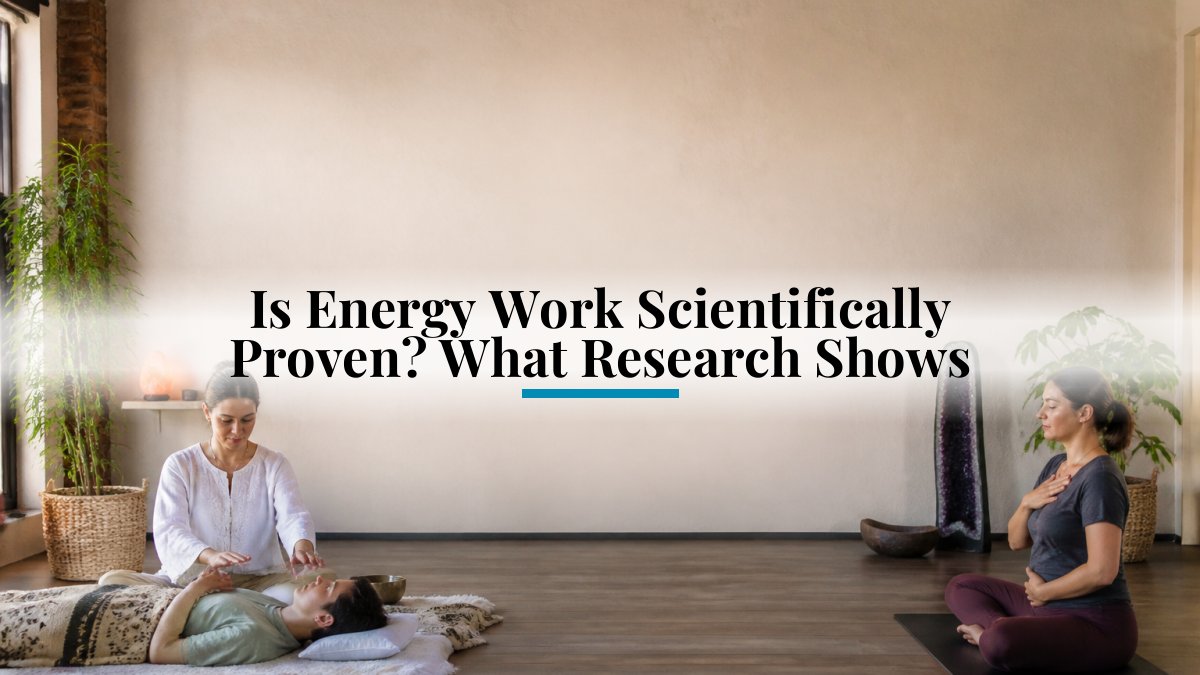
Is Energy Work Scientifically Proven? What Research Shows
Table of Contents
- What Energy Work Actually Is
- The Scientific Evidence on Energy Healing Modalities
- Energy Work for Stress Relief: What the Data Says
- Sound Healing for Stress: Measurable Effects and Limitations
- The Placebo Question and the Mind-Body Connection
- Is Energy Work Scientifically Proven? The Honest Answer
- Conclusion
- Frequently Asked Questions
Last Updated: October 16, 2026
What Energy Work Actually Is
Energy work encompasses a broad range of practices aimed at influencing the body's subtle energy systems to promote healing and well-being. These include modalities like Reiki, therapeutic touch, breathwork, and sound healing, techniques that practitioners claim work with the body's energy field or biofield to restore balance.
The term "energy work" itself covers everything from hands-on practices where a therapist places hands near or on the body, to distance-based work, to sound and breathwork techniques.
But here's what matters most: the question isn't whether energy work feels good, most people report genuine relaxation and calm after a session, but whether energy work scientifically proven claims hold up to scrutiny.
The Scientific Evidence on Energy Healing Modalities
The scientific case for energy work is complicated. Research exists, but it's mixed, and the quality varies a lot depending on which practice you're looking at.
Start with what we can actually measure: the body does have electromagnetic fields. Your heart generates one, your brain produces electrical activity, and your nervous system runs on electrical impulses. Those are real, measurable phenomena. But measurable bioelectricity is not the same as the "healing energy" or "life force" that energy work practitioners describe.
Here's the part most articles skip: evidence for one practice doesn't transfer to another. Reiki, therapeutic touch, qigong, and sound healing are studied separately, and they don't all land in the same place.
- Reiki. The most-studied hands-on modality. Randomized trials often show small improvements in stress, anxiety, and self-reported pain, but when researchers use sham Reiki (a practitioner goes through the motions without intending to channel anything), the differences between real and sham frequently shrink to nothing. Systematic reviews tend to conclude that evidence is low to very low quality.
- Therapeutic touch. Older trials claimed measurable effects, but a well-known series of studies in the late 1990s tested whether practitioners could detect a human energy field when they couldn't see the person. They performed at chance. That finding didn't prove therapeutic touch is useless, but it undercut the proposed mechanism.
- Qigong and tai chi. These are different because they involve movement, breath, and postural training. Trials on qigong for pain, balance, and quality of life tend to be more positive than hands-on energy work, but the benefit is hard to separate from gentle exercise and relaxation. That's not a knock, it's just what the data shows.
- Sound healing. Some studies find reduced anxiety and improved mood after singing bowl or low-frequency sessions. Effects are modest, and blinding is nearly impossible, so expectation is doing a lot of work.
Study Design and Evidence Quality
Not all studies are equal. A well-designed study randomizes participants, uses a control or sham group, and keeps both the participant and the person collecting data unaware of who got what. Those are randomized controlled trials, or RCTs.
Many energy work studies don't meet those standards. Common problems:
- Small sample sizes, often under 50 people, which can't reliably detect real effects
- No control group, so any improvement gets credited to the treatment
- No blinding, so expectation and attention inflate results
- Vague outcomes like "energy balance" or "sense of well-being" instead of specific, measurable markers
- Short follow-up, often just days or weeks, so we don't know if benefits last
When systematic reviews pool this research, they consistently rate the evidence as low or very low quality. That doesn't prove energy work doesn't work. It means we don't have strong evidence that it does, at least not through the mechanisms practitioners describe.
What We Know About Specific Outcomes
The outcomes people most often seek are stress relief, pain reduction, and improved emotional well-being. Let's look at each with the caveats attached.
Stress and relaxation. Energy work sessions often produce measurable relaxation. Heart rate drops, breathing slows, and cortisol may decrease.
Pain. Some people report real relief. But pain is subjective and heavily influenced by expectation, attention, and context. A caring practitioner in a peaceful setting creates conditions where pain perception naturally drops, regardless of technique.
Emotional well-being. Similar story. People often feel better afterward, but they also feel better after exercise, time in nature, or a good conversation. The benefit is real to the person experiencing it, but it's not unique to energy work.
Energy Work for Stress Relief: What the Data Says
Stress relief is probably the strongest claim for energy work. And here's what's honest: energy work can relieve stress. But so can many other things.

The nervous system responds to safety signals.
The question is whether the energy work itself is doing the work, or whether the context, attention, and expectation are doing most of it. Research suggests it's more the latter.
That said, if energy work helps you access a state of deep relaxation you couldn't reach otherwise, that's valuable. Stress relief is real stress relief, regardless of mechanism.
Sound Healing for Stress: Measurable Effects and Limitations
Sound healing, using vibrations, frequencies, singing bowls, or other acoustic tools, has gained popularity. The theory is that certain frequencies can influence the body's energy or nervous system.
What does research actually show? Some studies find that sound exposure reduces anxiety and promotes relaxation. But again, the effects are modest, and they're hard to separate from placebo.
The measurable part: sound can influence physiology. Low-frequency vibrations can affect heart rate; rhythmic sound can entrain brainwaves. These are real mechanisms. But the leap from "sound influences physiology" to "specific frequencies heal specific conditions" isn't well-supported by evidence.
Sound healing works best as a tool for relaxation and nervous system regulation, which is genuinely useful. It's less supported as a treatment for specific diseases or conditions.
The Placebo Question and the Mind-Body Connection
Here's what people often get wrong about placebo: they think it means "fake" or "doesn't work." That's backwards.
Placebo effects are real. Your belief and expectation genuinely influence your physiology. Your nervous system responds to context and meaning.
But placebo has limits. It works best for subjective outcomes like pain, stress, and fatigue, and poorly for objective ones like infections or broken bones. It also tends to fade.
Energy work likely works primarily through placebo and context. That doesn't make it worthless.
The mind-body connection is real and profound. But calling it "energy work" and attributing it to subtle energies obscures what's actually happening: your nervous system is responding to safety, attention, and expectation.
How to Evaluate a Claim Before You Book
If you're curious about energy work, here's a short checklist. It won't tell you whether to try it, but it will help you spot the difference between a grounded practitioner and a sales pitch.
- Does the practitioner promise a cure? Red flag. No ethical practitioner promises to cure cancer, depression, or any diagnosed condition with energy work alone.
- Do they tell you to stop or delay medical treatment? Walk away. Energy work can sit alongside medical care, but it should never replace it.
- Do they cite research? Ask which studies. If they can't name a journal or describe the study design, the citation is decoration.
- Do they distinguish between measurable bioelectricity and "healing energy"? A good practitioner will say plainly that the body has electrical activity and that the proposed healing energy is a separate, unproven idea.
- Do they talk about what energy work is good for? Relaxation, stress relief, and feeling cared for are honest claims. Specific disease treatment is not.
- What does it cost, and what are you giving up? Time and money spent on unproven treatment is time and money not spent on care that has evidence behind it. That's the real opportunity cost.
Safety and Responsible Use
Direct physical risk from energy work is low. Hands-on sessions are gentle, and most people tolerate them fine. The bigger risks are indirect:
- Delayed diagnosis. If a symptom gets attributed to "blocked energy" instead of being checked by a doctor, that delay can matter.
- Financial cost. Sessions add up. If you're spending money you can't spare on a treatment with weak evidence, that's a real cost even if the session feels nice.
- Emotional dependence. Some people start relying on a practitioner for a sense of calm they could build themselves through breathwork, therapy, exercise, or time outdoors.
None of that means energy work is dangerous. It means the smart move is to use it as a complement, not a substitute. Keep your medical appointments. Tell your doctor what you're doing. And if a practitioner discourages either of those, that's your signal to leave.
Is Energy Work Scientifically Proven? The Honest Answer
No. Energy work is not scientifically proven in the way that, say, antibiotics or physical therapy are proven.
What we have instead is:
- Evidence that energy work produces relaxation and stress relief, but similar evidence exists for many other interventions
- Mixed research on specific modalities, with quality limitations across most studies
- A clear placebo effect component that accounts for much of the reported benefit
- No reliable evidence for the proposed mechanisms (healing energy, life force, biofield manipulation)
- Strong evidence that the body has measurable electrical and electromagnetic activity, but no evidence this is what energy work modalities actually influence
This doesn't mean energy work is worthless. It means the evidence doesn't support the claims practitioners often make about how it works or what it can treat.
If you're drawn to energy work for stress relief, relaxation, or as part of a broader wellness practice, that's reasonable. The relaxation is real. The sense of care and attention is real. But go in with clear expectations: you're seeking relaxation and nervous system regulation, not a treatment for disease.
If you have a specific health condition, energy work shouldn't replace evidence-based medical care. It can complement it, but it shouldn't substitute for it.
Conclusion
The honest truth is that energy work exists in a gray zone. It's not proven by rigorous science, but it's also not proven to be ineffective.
At Body Alchemy Sedona, we approach energy work with integrity. We offer these modalities because we believe in their capacity to create deep relaxation, support nervous system regulation, and help you reconnect with your body.
If you're curious about energy work or sound healing, the best approach is to try it with realistic expectations. Notice how you feel. Pay attention to whether the benefits persist.
Ready to experience the difference that skilled, intentional care can make? At Body Alchemy Sedona, we combine massage therapy, energy work, sound healing, and breathwork in sessions tailored to your unique needs.
Frequently Asked Questions
Is energy work scientifically proven to work?
Energy work shows measurable effects on stress and relaxation in some studies, but the mechanisms remain unclear. Research on Reiki and therapeutic touch shows mixed results, some trials show benefits beyond placebo, others don't. The honest answer: certain practices produce real nervous system changes and pain relief, but calling it 'proven' depends on what outcome you're measuring and how rigorous the study design is. Quality evidence exists for stress reduction; evidence for other claims is weaker.
What does research say about energy healing modalities like Reiki?
Reiki studies show it can lower stress markers and improve relaxation, often matching or exceeding effects from sham treatment. However, many studies have small sample sizes or lack proper control groups. Some research suggests the benefits come from attention and presence rather than energy transfer itself. Therapeutic touch shows similar patterns, measurable relaxation effects, but unclear whether the mechanism is the proposed energy field or simply skilled, focused touch and expectation.
Can energy work actually help with stress relief?
Yes, energy work for stress relief produces real nervous system shifts. Sessions that involve breathwork, focused attention, and skilled touch activate the parasympathetic nervous system, lowering cortisol and heart rate. Whether this happens because of healing energy or because of presence, intention, and the mind-body connection is still debated. The practical result, reduced stress and improved relaxation, appears genuine in most people, even if the why remains contested.
How does sound healing for stress compare to other relaxation methods?
Sound healing for stress works similarly to other calming practices: it engages attention, slows breathing, and activates relaxation responses. Some frequencies and instruments (like singing bowls) show measurable effects on heart rate and brainwave patterns. However, research is limited compared to meditation or massage. The evidence suggests sound healing can reduce stress effectively, but it's not uniquely powerful, it's one of many tools that work when practiced with intention and consistency.