 Ultimate guide
Nourishing Care to Reconnect Your Mind and Body
Last Updated: November 6, 2026
Quick Summary
The most effective way to reconnect mind body is a short daily practice you can keep up, starting with breathwork that lengthens the exhale and simple body-awareness exercises. Build from there with movement and self-care that fit your current energy and schedule, then add guided support like massage or bodywork once the basics feel routine.
- Start breathwork with three minutes a day: inhale for four counts, exhale for six.
- A longer exhale than inhale signals safety to the body.
- Try a two-minute body scan, naming sensations without trying to change them.
- Add one movement practice once your breathing habit feels routine, usually after two or three weeks.
- Check with a qualified professional before starting breathwork or bodywork if you have an injury, chronic condition, or trauma history.
Table of Contents
- Why Your Mind and Body Drift Apart
- Breathwork for Stress and Nervous System Balance
- Breathwork for Beginners: Starting Simply
- Mind-Body Connection Exercises You Can Do Today
- Self-Care Practices for Mind and Body
- Building a Personalized Reconnection Plan
- Choosing Your Next Step for Nourishing Care
- Frequently Asked Questions
Feeling scattered, tense, or like you've been running on autopilot for weeks? Most people who feel that way are not broken. Their mind and body have simply drifted apart, and you can reconnect them one small, deliberate practice at a time. This guide walks through how that drift happens and what you can do about it, with practices you can start today and a clear way to decide what kind of care suits you.
Why Your Mind and Body Drift Apart
Most of us spend the day in our heads. Deadlines, messages, and worries pull attention upward and forward, while the body quietly holds the cost. Shoulders creep toward the ears, the jaw clenches during emails, and breathing gets shallow without us noticing.
Over time that disconnect becomes normal. You stop registering hunger, fatigue, or tension until it shows up as a headache or a bad night's sleep. To reconnect mind body, the work starts with noticing those signals again, not with fixing anything.
Breathwork for Stress and Nervous System Balance
Breath is the one part of the nervous system you can influence directly and on purpose. Slowing the exhale tends to shift the body out of its alert state and toward calm.
The key idea is simple: a longer exhale than inhale signals safety to the body. You don't need to force anything. Let the breath move at its own pace, and gently lengthen the out-breath when you feel ready.
Breathwork for Beginners: Starting Simply
Start with three minutes, once a day. Sit comfortably, place one hand on your belly, and breathe in through your nose for a count of four. Breathe out slowly for a count of six. If six feels strained, drop to five.
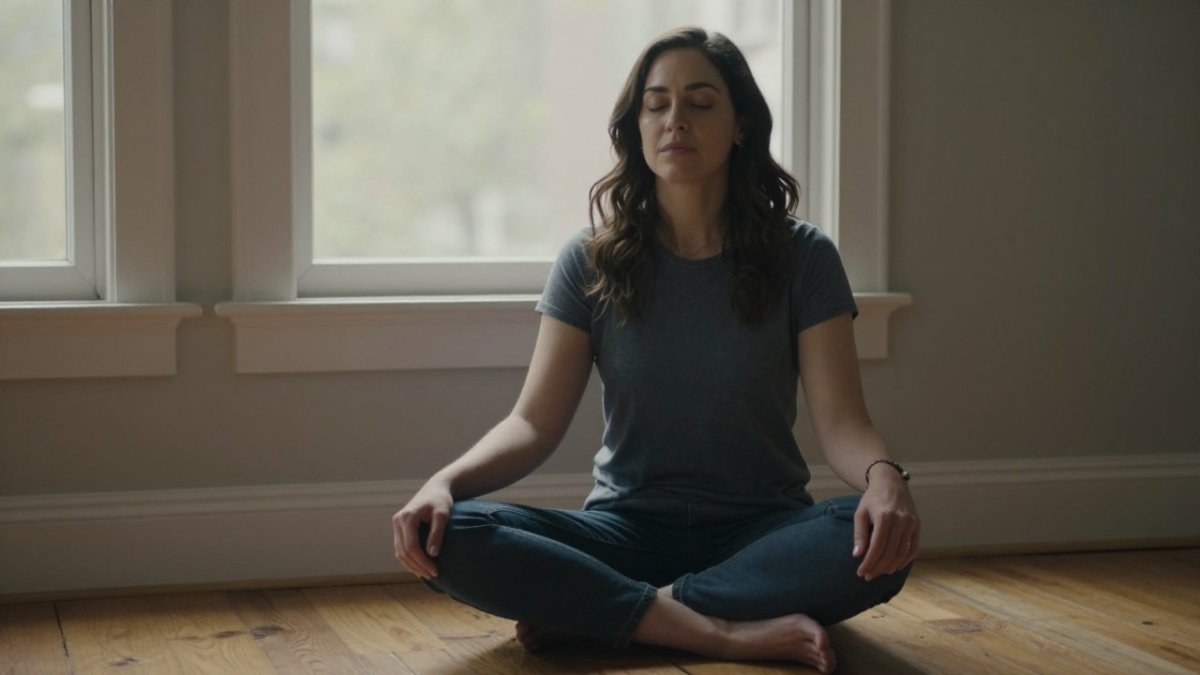
A common mistake is trying too hard. If you feel lightheaded or your breath becomes tight, ease off and return to normal breathing. Consistency matters far more than intensity, and a short daily habit beats an occasional long session.
Mind-Body Connection Exercises You Can Do Today
These small exercises build awareness without requiring a special setting:
- Body scan (2 minutes): Starting at your feet, notice each area in turn. Name what you feel without trying to change it.
- Shoulder drop: Every hour, lift your shoulders to your ears, hold for three breaths, then let them fall.
- Mindful first sip: Pause before your first drink of the day and notice temperature, taste, and how your body responds.
- Brief walk-and-notice: Walk for five minutes and track three things you can see, hear, and feel underfoot.
The thing nobody tells you is that these exercises feel almost too simple to matter. Keep them anyway. Their value comes from repetition, not from how impressive they seem.
Self-Care Practices for Mind and Body
Generic self-care lists fail because they assume everyone starts from the same place. A person with chronic back pain, a shift worker, a parent with twenty minutes of quiet, and someone recovering from burnout all need different entry points. The useful question is not "what should I do?" but "what fits my body, my schedule, and my budget right now?"
Here is a simple way to sort practices by what they actually ask of you:
- Low effort, low cost, high frequency: breathwork, body scans, a five-minute walk, a mindful first sip. These are the foundation because you can repeat them daily without rearranging your life.
- Moderate effort, moderate cost, weekly: gentle yoga, a longer walk or hike, journaling sessions, a warm bath with no phone. These build on the daily base.
- Higher effort or cost, occasional: massage, sound healing, a workshop or retreat. These are supplements, not substitutes, for the daily work.
Match the tier to your current capacity, not to an idealized version of yourself. If you are exhausted, start in the first tier and stay there for two weeks. If you are stable and curious, add one practice from the second tier. The third tier makes sense once the first two feel routine.
A few practical anchors help regardless of tier. Eat meals you can sit down to without rushing, even if they are simple. Protect a consistent wind-down time, because sleep is where the nervous system does much of its repair. Move in ways you actually enjoy, whether that is walking, dancing in your kitchen, or gentle yoga, because adherence beats intensity every time.
Hands-on care can support this process. For a gentle, light-touch option, you can read about Craniosacral Therapy, which focuses on calming the mind and easing tension. Massage can ease muscular tension that has built up over time. These work best as part of a wider routine rather than a single fix.
Watch out: if you have an injury, a chronic condition, a history of trauma, or you are pregnant, check with a qualified health professional before starting breathwork, intense movement, or bodywork. Some techniques need adjusting, and a few should be avoided entirely. An honest assessment from someone who knows your history is worth more than any generic routine.
Accessibility matters too. Seated versions of every practice here exist, short sessions are a legitimate starting point for anyone with limited mobility, time, or energy, and low-cost options like walking, breathing, and journaling are not lesser practices. They are often the ones people actually keep.
Building a Personalized Reconnection Plan
A plan that fits your life beats a perfect plan you abandon in a week. Begin by choosing one breathwork practice and one movement practice. Add a third only after the first two feel routine, usually after two or three weeks.
Track how you feel in simple terms: calmer, more tired, more present, or unchanged. Progress in mind-body work tends to show up as small, steady shifts, like noticing tension sooner or sleeping a little deeper.
If you have an injury, a chronic condition, or a history of anxiety, check with your doctor or a qualified practitioner before starting new breathing or bodywork practices. Some techniques need adjusting or should be avoided, and an honest professional assessment is worth more than any generic routine.
Accessibility matters too. Seated versions of every practice here exist, and short sessions are a legitimate starting point for anyone with limited mobility, time, or energy.
Choosing Your Next Step for Nourishing Care
When you are ready for guided support, the quality of the practitioner matters more than the modality. A skilled massage therapist, yoga teacher, or bodywork practitioner will ask about your history and goals before they begin, explain what a session will involve, and be clear about their training and scope. If someone promises to cure a condition or fix your life in one session, that is a reason to slow down, not speed up.
Use these questions as a simple filter:
- Credentials and scope: What training did they complete, and what do they not treat? A massage therapist is not a physician, and a breathwork facilitator is not a psychotherapist. Good practitioners know their lane and say so.
- Informed consent: Will they explain what they are about to do, check in during the session, and stop if you are uncomfortable? You should never feel pressured to continue a technique that does not feel right.
- Privacy: How is your health information stored, and who can see it? Ask directly. A professional will have a clear answer.
- Pricing transparency: Ask what a session costs, what is included, and what happens if you need to cancel. You should not learn the price after the appointment.
- Adaptation: How do they adjust for back pain, high stress, limited mobility, sensory sensitivity, or trauma history? A practitioner who cannot answer this specifically is probably not the right fit.
It also helps to know what you are measuring. Before you start, note how you feel in plain terms: stress level, sleep quality, mood, and how aware you are of tension in your body. Revisit those notes every couple of weeks. These are personal tracking tools, not diagnostic metrics, and they help you notice small shifts that are easy to miss. Progress in mind-body work tends to show up as noticing tension sooner, sleeping a little deeper, or recovering from stress a bit faster, not as dramatic overnight change.
If you are considering a retreat or a multi-session package, ask what happens if it is not a fit, whether there is a refund or credit policy, and whether the schedule allows for rest. A good program will welcome those questions.
At Body Alchemy Sedona, our therapist-led studio offers custom massage, energy work, yoga, sound healing, and breathwork, with mobile options for clients who prefer care at home. You can read more on our FAQs page about what to expect during a visit, or book your massage appointment when you are ready to take the next step. If you are coming with a partner or friend, our couple's massage option offers a shared session built around relaxation and connection.
Start small, stay consistent, and let your body tell you what it needs. Your mind and body were never really separate. They just need a little deliberate attention to find their way back to each other.
Use these questions as a simple filter when you compare practitioners:
| Question to ask | What a good answer sounds like | Red flag |
|---|---|---|
| Credentials and scope | Names their training and says what they don't treat | Promises to cure a condition |
| Informed consent | Explains each step and checks in during the session | Pushes you to continue when uncomfortable |
| Privacy | Gives a clear answer on how health info is stored | Vague or no answer |
| Pricing transparency | Tells you the cost and cancellation terms up front | Price revealed only after the appointment |
| Adaptation | Describes how they adjust for back pain, stress, or trauma | Can't answer specifically |
Frequently Asked Questions
How do I nourish my mind, body, and soul?
Start with small, repeatable practices rather than a big overhaul. A few minutes of slow breathing, a walk outdoors without your phone, a nourishing meal eaten without screens, and an early night all support the mind-body connection. Notice which habits leave you feeling settled and which leave you drained, then keep the ones that work. Many people find that a regular practice matters more than any single intense session.
Can breathwork help with stress and relaxation?
Slow, controlled breathing is one of the most accessible tools for stress. Longer exhales tend to shift the body toward a calmer state, and people often report feeling more grounded after a few minutes. Breathwork is not a replacement for medical care, though. If you have a heart or lung condition, pregnancy complications, or a history of panic attacks, check with your doctor before trying intense breathing techniques.
How long should I practice breathwork to feel more grounded?
Many beginners notice a difference within one to two weeks of practicing five to ten minutes a day. Consistency matters more than duration. Start with a short session, pay attention to how your body responds, and build gradually. If you feel lightheaded, tingly in a way that concerns you, or anxious, stop and return to normal breathing.
How do I choose a mind-body wellness practice that suits me?
Think about what you want to change: tension in your shoulders, a racing mind, low energy, or a sense of disconnection. Gentle options like yoga, massage, or sound healing suit people who want to slow down, while movement-based practices fit those who need to release energy. Ask any provider about their training and how they adjust sessions to your needs, and choose the approach that feels supportive rather than pushy.
Can massage, yoga, and sound healing support relaxation?
Many people use these practices to ease physical tension and quiet their minds. Research on their effects is still developing, so think of them as supportive tools rather than guaranteed fixes. Pay attention to how you feel afterward and over several weeks. If you have an injury or chronic pain, tell your practitioner before your session so they can adapt the work to your body.