 Ultimate guide
What Is a Healing Vortex in Sedona? A Grounded Guide
Last Updated: November 15, 2026
Quick Summary
A healing vortex in Sedona is a place where people believe the earth's energy spirals upward in concentrated form, creating conditions for meditation, emotional release, and spiritual insight. The idea rests on swirling energy rather than geology, and no scientific instrument has measured such a field at any Sedona site.
- Four sites carry most of the reputation: Bell Rock, Cathedral Rock, Airport Mesa, and Boynton Canyon.
- Bell Rock suits focus and problem-solving, with a gentle trail near the base.
- Cathedral Rock is roughly a mile round trip but steep, with slick rock near the top.
- Airport Mesa is the easiest approach, a few minutes from the lot to the overlook.
- Boynton Canyon is the quietest, mostly flat at first, and takes two to three hours.
Table of Contents
- What a Healing Vortex in Sedona Actually Means
- Are Vortexes in Sedona Real? Separating Belief From Geology
- Your Sedona Vortex Map: The Four Main Sites
- Which Is the Most Powerful Vortex in Sedona?
- What People Feel: Physical, Emotional, and Spiritual Effects
- Breathwork for Stress and Nervous System Regulation at a Vortex
- How to Visit a Vortex Respectfully and Safely
- Pairing Your Vortex Visit With Bodywork at Body Alchemy Sedona
- Frequently Asked Questions
What a Healing Vortex in Sedona Actually Means
A healing vortex in Sedona is a place where people believe the earth's energy spirals upward in concentrated form, creating conditions for meditation, emotional release, and spiritual insight. Visitors often ask what a healing vortex really is.
The idea rests on swirling energy, not geology. Believers describe an energy field that moves through the red rocks and twisted trees of the high desert, and many say they feel it as soon as they step onto certain trails. Some visitors report physical effects like tingling or warmth. Others describe emotional release or quiet contemplation.
We won't tell you what to believe. What we can tell you is how to approach the experience with open eyes and steady feet. Below, we'll walk through the four main sites, what people report feeling, and how to visit without buying every claim you hear. For a wider look at the local scene, see our guide to holistic healing practices in Sedona.
Swirling Energy, Red Rocks, and Twisted Trees
Vortex lore leans on three images: red rocks, twisted juniper trees, and energy that swirls rather than sits still. The twisted trees are the most tangible part. Junipers near known sites often grow in gnarled spirals, and believers read that as evidence of concentrated earth energy.
Skeptics read it as weather, soil, and age. Both can look at the same tree.
Are Vortexes in Sedona Real? Separating Belief From Geology
Are vortexes in Sedona real? The honest answer depends on which part you're asking about. It helps to split the question into three buckets: what's measurable, what's anecdotal, and what hasn't been tested.
What's measurable. Sedona's red rocks are sandstone formations shaped over millions of years by water, wind, and the uplift of the Colorado Plateau. The geology, the elevation, the weather, and the trails are all documented.
What's anecdotal. Reports of tingling, warmth, emotional release, clarity, or a felt connection to something larger are self-reports. They're common and often sincere, but they aren't measurements. Expectation, setting, silence, altitude, and simple awe can all shape how a place feels.
What hasn't been tested. No scientific instrument has measured a swirling energy field at any Sedona site, and no peer-reviewed study confirms one exists. That's not the same as proving it false. It means the claim sits outside what has been established, and anyone who tells you otherwise, in either direction, is overstating the case.
That distinction matters because it keeps you honest with yourself. You can have a profound experience without needing a physical force to explain it. If you're weighing the broader claims around energy work, our piece on whether energy healing actually works looks at the evidence without the hype.
One more thing worth saying plainly: a vortex visit is not medical treatment. If you're dealing with physical or mental health concerns, talk to a qualified healthcare provider. A quiet hour on a red rock ledge can be a good addition to your life, but it isn't a substitute for care.
What the Science Says and What It Doesn't
Science doesn't confirm vortex energy. It also doesn't fully explain why so many people leave these sites feeling calmer. The most useful stance for a first visit is curiosity without commitment: notice what you notice, and let the explanation wait.
Your Sedona Vortex Map: The Four Main Sites
Four sites carry most of the vortex reputation, and each has its own character. Here's the practical picture for planning your Sedona vortex map, including what the trail is actually like so you can pick a site that fits your legs, your schedule, and the season.
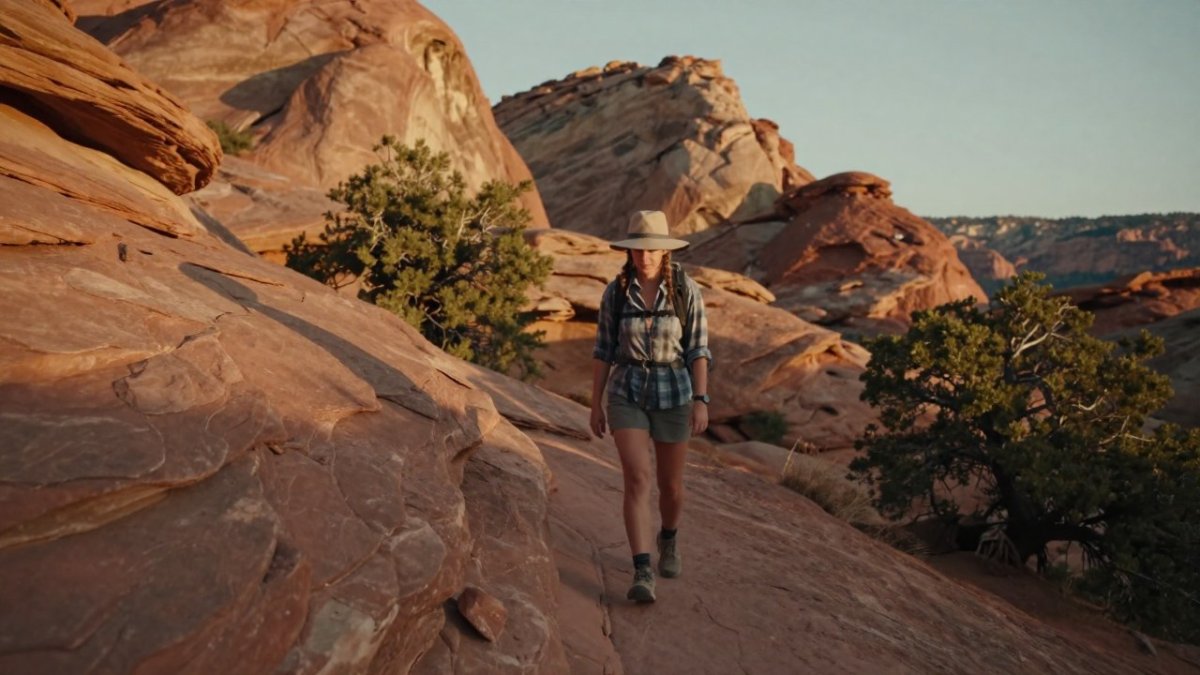
- Bell Rock sits just off Highway 179 and is the most accessible. Many visitors associate it with focus, problem-solving, and higher thinking. The trail is gentle near the base, and you can walk a short distance to a viewpoint or push higher if you want. Parking can fill early on busy days, so arriving early or late in the day is a good idea. Give yourself one to two hours for a relaxed visit.
- Cathedral Rock is the dramatic one, with steep spires and sweeping views. It's often linked to feminine energy and emotional release. The climb is short, roughly a mile round trip, but steep in places, with slick rock and some scrambling near the top. Wear shoes with grip, and turn around if the rock is wet. Parking is limited and the lot often fills by sunrise on busy days. Plan on one to two hours.
- Airport Mesa offers the easiest approach, with a short walk to overlooks and wide sunset views. It's a common spot for balanced energy and quiet reflection. The main overlook is a few minutes from the lot, which makes it the best pick for limited mobility, short visits, or anyone visiting with kids. Sunset is the busiest time, so arrive early if you want a quiet seat. Allow 30 to 60 minutes.
- Boynton Canyon is the quietest of the four, a longer walk into a red-walled box canyon often associated with masculine energy and grounding. The trail is mostly flat and wide for the first stretch, then narrows as you go deeper. It's the best choice if you want solitude and distance from the road. Plan on two to three hours, and carry water even on cool days.
A simple way to plan: pick one site per outing, go early or late, and give yourself more time than you think you need. Summer afternoons can get very hot, and storms can roll in quickly, so morning starts are often the safer choice. Cell service can be patchy, so download a map before you leave and tell someone your plan.
If you're comparing sites by atmosphere rather than trail, a quick rule of thumb: Bell Rock for thinking, Cathedral Rock for feeling, Airport Mesa for watching the light, and Boynton Canyon for getting away from people.
Which Is the Most Powerful Vortex in Sedona?
There's no measured answer, so the most powerful vortex in Sedona is the one that fits what you're seeking. Ask five locals and you'll get five answers, usually delivered with total confidence.
Our take: match the site to your intention rather than chasing a ranking.
| If you want... | Try | Why |
|---|---|---|
| Focus and problem-solving | Bell Rock | Gentle approach, wide views, room to think |
| Emotional release | Cathedral Rock | Steep, dramatic, often described as feminine energy |
| Easy sunset reflection | Airport Mesa | Short walk, big sky, balanced feel |
| Solitude and grounding | Boynton Canyon | Longer trail, fewer crowds, masculine energy lore |
What People Feel: Physical, Emotional, and Spiritual Effects
Ask visitors what happened and you'll hear a range. On the physical side: tingling skin, warmth, a sense of lightness, or a heavy, grounded feeling in the legs. Emotionally, people describe unexpected tears, relief, or a rush of gratitude. Spiritually, many report clarity, spiritual insights, or a felt connection to something larger.
These are self-reports, not measurements, and expectation plays a role. That doesn't make them meaningless. A quiet hour on a red rock ledge can shift your state regardless of the cause. Treat the feelings as information about you, not proof of a force in the ground.
Breathwork for Stress and Nervous System Regulation at a Vortex
Slow, deliberate breathing can make a quiet site feel more restful.
Try this sequence once you've found a spot to sit:
- Breathe in through the nose for a count of four.
- Hold gently for four.
- Exhale slowly for six to eight.
- Repeat for five to ten minutes, eyes soft or closed.
Keep it comfortable. If you feel lightheaded, return to normal breathing. The goal is regulation, not performance. If you want a fuller practice, our breathwork guide for stress and the nervous system walks through the how and why.
How to Visit a Vortex Respectfully and Safely
Respect and safety come down to a few habits. Stay on marked trails, since the soil crust and vegetation here are fragile and slow to recover. Pack out everything you bring in. Keep noise low so others can have the quiet they came for. Skip the cairn-building and rock stacking.
Watch out: afternoon heat and sudden storms are the real hazards. Carry more water than feels necessary, start early, and turn around before you're tired. Cell service is patchy, so tell someone your plan. If you're looking for other grounded options in the area, our guide to spiritual healing alternatives in Sedona covers them.
Pairing Your Vortex Visit With Bodywork at Body Alchemy Sedona
Body Alchemy Sedona is a therapist-led wellness collective in West Sedona, founded in 2021 by Anne Lantry, and we blend intuition with a grounded, practical approach to the body.
After a morning on the trails, a session gives your nervous system a chance to downshift. Our custom massage therapy is tailored to what you need. We also offer energy work, yoga, sound healing, and breathwork, in-studio or through mobile appointments. One client put it simply: "Hands down the best massage I have EVER had." - A.R.
You don't need to believe in vortex energy to benefit from slowing down. You just need an hour and a willingness to receive. If you're curious how energy work fits alongside bodywork, our energy healing massage page explains what a session involves.
The challenge is simple: most visitors rush the rocks and skip the reset. Give yourself one quiet site and one restorative session, and the trip lands differently. Body Alchemy Sedona offers therapist-led massage, energy work, sound healing, and breathwork, in-studio or at your door, all built around deep relaxation and reconnecting with your body's own wisdom. Get started with Body Alchemy Sedona and turn a scenic stop into real restoration.
Frequently Asked Questions
Are Sedona's vortexes real?
It depends on what you mean by real. The red rock formations are absolutely real, and so is the quiet, the scale, and the way the landscape makes people slow down. The idea that these sites concentrate swirling earth energy is a belief, not a measured geological fact. No scientific instrument has detected a vortex field at Bell Rock or anywhere else. That doesn't make a visit meaningless. It means the experience is personal, and you get to decide what it holds for you.
What is the most powerful vortex in Sedona?
There's no ranking anyone can prove, because no one has measured vortex strength. Ask ten locals and you'll get five answers. Bell Rock is often named for focus and problem-solving, Cathedral Rock for emotional release and feminine energy, Airport Mesa for balance, and Boynton Canyon for a quieter, more introspective feel. The honest answer is that the most powerful site is the one where you actually stop, breathe, and pay attention.
How long should you spend at a Sedona vortex?
Forty-five minutes to an hour is plenty for most people, and a short visit can still land. Arrive with no agenda, walk a little, then sit somewhere with a view and let your breathing settle. Longer isn't better. Quieter usually is. Go early morning or late afternoon to avoid the crowds and the heat.
What should you bring when visiting a Sedona vortex?
Water, sun protection, and shoes with real tread. The trails around Bell Rock and Cathedral Rock are uneven red rock, and the sun is stronger than it looks. Bring a layer for cool mornings, a hat, and your phone charged for the map. Leave the crystals at home if they'll distract you from the land. Pack out everything you bring in, stay on marked trails, and skip the cairn-building. The sites stay powerful because people treat them well.