 listicle
Spiritual Healing Alternatives in Sedona: A Real Guide
Table of Contents
- What You're Really Looking For in Spiritual Healing Alternatives
- Best Wellness Retreats for Personal Reset in Sedona
- Energy Work, Reiki, and Chakra Healing Beyond the Standard Session
- How to Choose a Spiritual Retreat That Actually Fits Your Needs
- Practitioner Qualifications and What to Ask Before Booking
- Customized Sessions vs. Group Experiences: Finding What Works for You
- The Real Difference Between a One-Off Session and Ongoing Care
- Conclusion
- Frequently Asked Questions
Last Updated: October 9, 2026
What You're Really Looking For in Spiritual Healing Alternatives
If you're searching for spiritual healing alternatives Sedona offers, you probably already know the basics: the red rocks, the vortexes, the retreats. But what you're really trying to figure out is whether any of this actually works for you, and which option won't feel like a waste of time or money.
We get it. Sedona has become synonymous with spiritual healing, but the landscape is crowded. Everyone's selling something. At Body Alchemy Sedona, we work with visitors and locals who come in skeptical. They've tried things before. They want something real.
The truth is, spiritual healing alternatives sedona offers fall into a few distinct categories, and which one fits depends entirely on what you're actually seeking. Are you looking for a deep reset over several days? A single session to shift something stuck? Ongoing support for stress or chronic pain? The answer changes everything about what you should choose.
This guide walks you through the real options, what to actually expect, and how to spot practitioners who know what they're doing versus those just riding the Sedona wellness wave.
Best Wellness Retreats for Personal Reset in Sedona
A retreat is different from a single session. It's an immersive experience designed to interrupt your normal patterns and create space for something to shift. The best retreats combine lodging, multiple healing modalities, and time for integration.
Retreat Options That Include Lodging
These retreats work best if you have 3-5 days available and you're genuinely ready to step away from your regular life.
Booking platforms like BookRetreats sound healing retreat directory list 18+ sound healing retreats in and around Sedona. The variety is real: some focus purely on sound baths with singing bowls, others blend sound with breathwork or movement. The reviews across these options total over 550, which means there's enough volume to spot patterns in what actually resonates with people.
The trade-off with group retreats is customization. You're on their schedule, their curriculum. If you need something more tailored to a specific condition or preference, a retreat might feel too rigid.
Sound Healing and Group Retreat Experiences
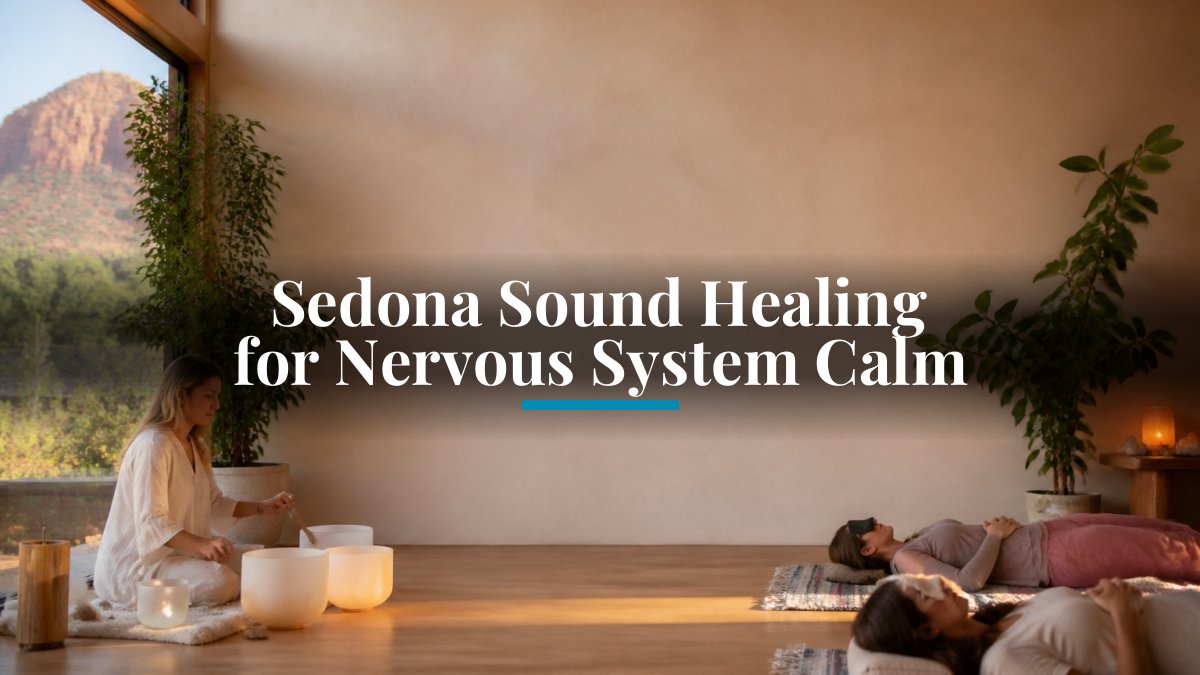
Sound healing has become central to Sedona's retreat culture, and for good reason. The practice uses instruments like Himalayan singing bowls and crystal bowls tuned to specific frequencies. The theory is that these frequencies help reset your nervous system and clear stagnant energy.
Group sound baths are typically 60-90 minutes. You lie down, the practitioner plays bowls around and sometimes on your body, and you experience the vibrations. Most people describe it as deeply relaxing. Some report emotional releases or vivid visualizations. Others simply feel rested afterward.
The advantage of group experiences is accessibility and affordability. You're sharing the practitioner's time, so the cost is lower than a private session. You're also in the presence of others doing the same work, which creates a particular kind of container.
The limitation is that the practitioner can't respond to your individual needs in real time. If you have chronic pain in a specific area or need something more targeted, a group setting won't give you that.
Energy Work, Reiki, and Chakra Healing Beyond the Standard Session
Energy work is the broadest category in Sedona's healing landscape. It includes Reiki, chakra balancing, intuitive healing, and various modalities that work with what practitioners call your "energy field" or "subtle body."
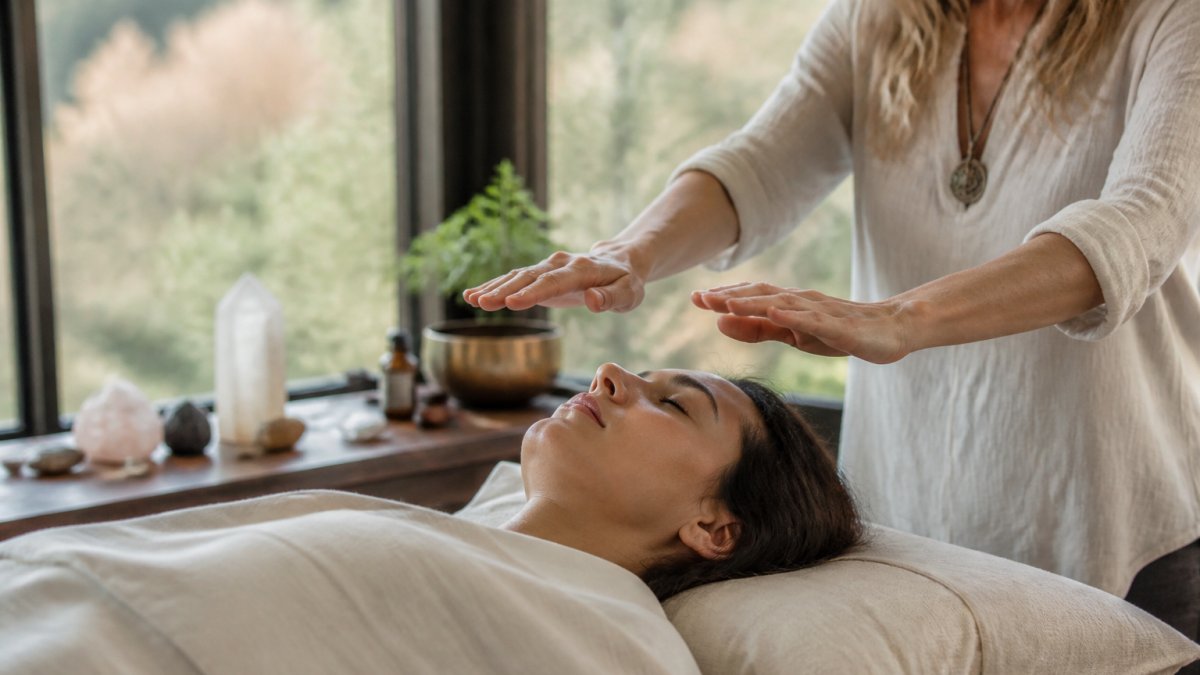
Reiki is the most standardized of these practices. It's a Japanese technique where a practitioner places hands on or near your body with the intention of facilitating healing.
Chakra work operates from the idea that your body has seven energy centers (chakras) that can become blocked or imbalanced. A practitioner might use hands, sound, crystals, or guided visualization to "clear" or "balance" these centers. The experience is deeply personal.
The honest truth: energy work exists in a space where scientific evidence is limited, but reported benefits are consistent. Many people experience real relief and clarity after sessions.
Body Alchemy Sedona approaches energy work as part of a larger system. We combine it with bodywork and breathwork so you're not relying on one modality alone. That layered approach tends to create more durable shifts.
How to Choose a Spiritual Retreat That Actually Fits Your Needs
Choosing a retreat is an investment of time and money. The wrong choice can leave you frustrated. The right one can genuinely reset your nervous system and perspective.
Start by getting honest about what you actually need. Not what sounds spiritual or impressive, but what your body and mind are asking for. Are you burned out and needing rest? Dealing with grief or loss? Managing chronic pain? Looking for spiritual exploration?
Retreats heavy on meditation and breathwork suit people managing stress and seeking clarity. Those emphasizing sound healing and energy work appeal to people interested in spiritual exploration or emotional release. Retreats combining massage, movement, and bodywork work best for people with physical tension or pain.
Next, look at the schedule. Some retreats pack activities from 6 a.m. to evening. Others build in significant free time. Neither is wrong, but they suit different temperaments. If you're introverted or easily overstimulated, you'll want more space.
Finally, check practitioner qualifications. This matters. A good retreat will list the background and training of people leading sessions. Look for specific certifications, years of experience, and ideally some form of ongoing professional development. If a retreat is vague about who's running sessions, that's a red flag.
Practitioner Qualifications and What to Ask Before Booking
This is where skepticism serves you well. Sedona's wellness industry attracts genuine practitioners and people who've completed a weekend workshop and decided they're healers.
For massage and bodywork, look for credentials. Licensed massage therapists (LMTs) have completed a minimum of training, passed an exam, and maintain continuing education. If someone is offering massage without a license, that's a sign to move on.
For Reiki, there's no licensing requirement, but there are training levels. A Reiki I practitioner has basic training. Reiki II and III indicate more advanced study. Some practitioners also pursue additional certifications in modalities like craniosacral therapy or energy medicine. More training isn't always better, but it suggests commitment.
For energy work and intuitive healing, there are fewer standardized credentials. This is where you rely on reputation, references, and your own intuition. Ask how long someone has been practicing. Ask what their training was. Listen to how they describe their work. If they make absolute promises ("I will heal your condition"), that's a warning sign. If they frame their work as supportive and complementary, that's more credible.
When you contact a practitioner or retreat, ask specific questions:
- What's your training and certification?
- How long have you been practicing?
- What should I expect in a session?
- What's your cancellation policy?
- Do you work with any specific conditions or populations?
A good practitioner will answer these clearly and without defensiveness.
Customized Sessions vs. Group Experiences: Finding What Works for You
The choice between private sessions and group experiences often comes down to your needs and budget.
Private sessions give you the practitioner's full attention. They can listen to what's happening in your body, respond to your specific requests, and tailor the work to you. If you have chronic pain, trauma, or a specific goal, private work is usually more effective. You're also more likely to feel safe sharing what's really going on.
Group experiences create a particular kind of container. There's something powerful about doing healing work alongside others. You feel less alone. The collective energy often amplifies the experience. Group sessions are also more affordable, which matters if you're visiting for a weekend.
Many people benefit from combining both. A private session early in a retreat to establish what you need, followed by group sessions for community and affordability. Or ongoing private sessions at home, supplemented by group experiences when you visit Sedona.
The key is matching the format to your actual situation, not to what sounds better in theory.
The Real Difference Between a One-Off Session and Ongoing Care
This is important because it changes what you should expect.
A single session, whether it's a massage, energy work, or sound bath, can create real shifts. You'll likely feel relaxed, maybe more spacious in your body, possibly more emotionally open. These effects are valuable. But they're not permanent without reinforcement.
Think of a single session like a reset button. It interrupts your patterns and gives your nervous system a break. But if you go back to your regular stress levels and habits, you'll gradually return to baseline.
Ongoing care, whether that's weekly massage, monthly energy work, or regular retreats, creates cumulative effects. Your nervous system learns to access relaxation more easily. Chronic tension releases more completely. Emotional patterns shift more deeply.
For people managing chronic conditions or high stress, ongoing care is more effective than sporadic sessions. For people visiting Sedona for a week, a series of sessions during that week creates more impact than a single experience.
Body Alchemy Sedona works with both models. Visitors often do 2-3 sessions during their stay to create momentum. Local clients come regularly, weekly or monthly, as part of their wellness practice. Both approaches work. The difference is in what you're trying to accomplish and how long you're willing to invest.
| Experience Type | Best For | Typical Duration | Realistic Expectation |
|---|---|---|---|
| Single session | Acute stress, one-time visit | 60-90 minutes | Temporary relief and relaxation |
| Retreat (3-5 days) | Personal reset, time away | Multiple sessions daily | Significant shift in perspective and nervous system |
| Weekly sessions (4+ weeks) | Chronic pain, ongoing stress | 60-90 minutes | Cumulative healing and lasting change |
| Monthly maintenance | Long-term wellness | 60-90 minutes | Prevention and sustained balance |
Conclusion
Spiritual healing alternatives in Sedona range from accessible group experiences to deeply customized private work. The landscape is real, but it's also crowded with varying levels of integrity.
What separates a genuinely transformative experience from a pleasant but forgettable one is usually three things: a practitioner who actually knows their craft, a format that matches what you're seeking, and realistic expectations about what healing takes.
If you're in Sedona and want something tailored to your specific needs, whether that's chronic pain, stress management, or spiritual exploration, Body Alchemy Sedona offers customized massage, energy work, sound healing, and breathwork designed to create real shifts. We prioritize the well-being of our practitioners so you receive skillful, attentive care. Sessions are available in-studio or via mobile appointment. Visit Body Alchemy Sedona to learn more about booking and discover what genuine healing feels like.
Frequently Asked Questions
What makes spiritual healing alternatives in Sedona different from generic massage studios?
True spiritual healing alternatives focus on personalized care tailored to your specific needs, not a one-size-fits-all approach. Practitioners trained in energy work, chakra alignment, and breathwork address the whole person, body, mind, and spirit. Studios that prioritize practitioner well-being also tend to deliver more skillful, attentive sessions. The difference shows up in how much a therapist listens to what you actually need versus running through a standard protocol.
How do I choose a spiritual retreat that will actually work for my personal reset?
Start by naming what you need: stress relief, emotional release, physical healing, or spiritual awakening. Look for retreats that explicitly address your goal, not vague promises of 'transformation.' Check whether the retreat includes lodging (useful for longer immersion) or is day-based. Read reviews from people with similar needs. Ask about practitioner qualifications and whether sessions are customized. A good retreat asks questions about your background and limitations before you arrive.
Will one spiritual healing session actually make a difference, or do I need multiple appointments?
One session can create noticeable shifts in relaxation, clarity, and nervous system regulation, many people feel the difference immediately. However, deeper healing from chronic stress, old injuries, or emotional patterns usually unfolds over time. If you're visiting for a weekend, one quality session is valuable. If you live locally or return regularly, a series of sessions compounds the benefits. The key is finding a practitioner skilled enough that a single session feels substantial, not rushed.
What qualifications should a spiritual healing practitioner have?
Ask whether they're certified in their specific modality, Reiki, massage therapy, energy work, or sound healing. Massage therapists should be licensed. Energy workers should have formal training from recognized schools. Don't settle for vague credentials. Good practitioners are happy to explain their training, how long they've practiced, and what their approach actually involves. They should also ask about your health history and any physical limitations before your session.