 how-to
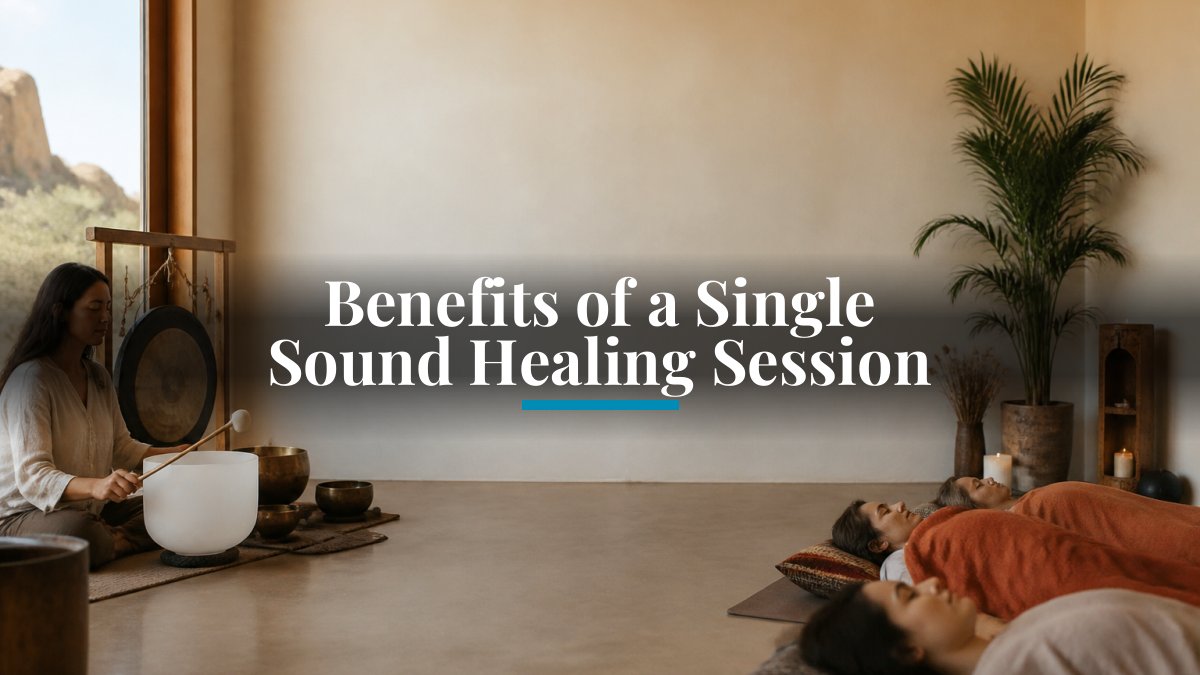
Benefits of a Single Sound Healing Session
Table of Contents
- What Sound Healing Actually Is
- What to Expect During a Sound Healing Session
- How Long Does a Sound Healing Session Last
- Sound Healing for Stress Relief
- Real Benefits You Can Feel After One Session
- Sound Healing Safety and Contraindications
- How to Know If Sound Healing Is Right for You
- What to Do After Your Session
- Frequently Asked Questions
Last Updated: October 12, 2026
What Sound Healing Actually Is
Sound healing is the practice of using sound vibrations and tones to support relaxation and wellbeing. It's not about hearing music you enjoy, it's about how your body responds to specific frequencies and resonance patterns that create deep physical and emotional shifts.
At Body Alchemy Sedona, we use instruments like singing bowls, gongs, and tuning forks to generate these vibrations. When sound waves move through your body, they can help calm your nervous system and shift you from a stressed state into one of genuine rest. The vibrations literally move through your tissues, creating a ripple effect that many people feel as a sense of release or deep calm.
Think of it like this: your body holds tension from stress, injury, and daily life. Sound healing uses resonance to help dissolve that tension without you having to do anything except lie down and receive.
What to Expect During a Sound Healing Session
Most first sessions follow a similar shape. Here's the honest walkthrough, start to finish.
Before you arrive. Wear soft, comfortable clothes you can lie down in. Skip heavy jewelry that digs into your back. Eat something light about an hour before, not a full meal, not nothing. Bring water.
The intake. A good practitioner asks about your health history before you lie down. Not a formality, this is where you mention pregnancy, recent surgery, a pacemaker, hearing aids, tinnitus, PTSD triggers, or anything that makes lying flat uncomfortable.
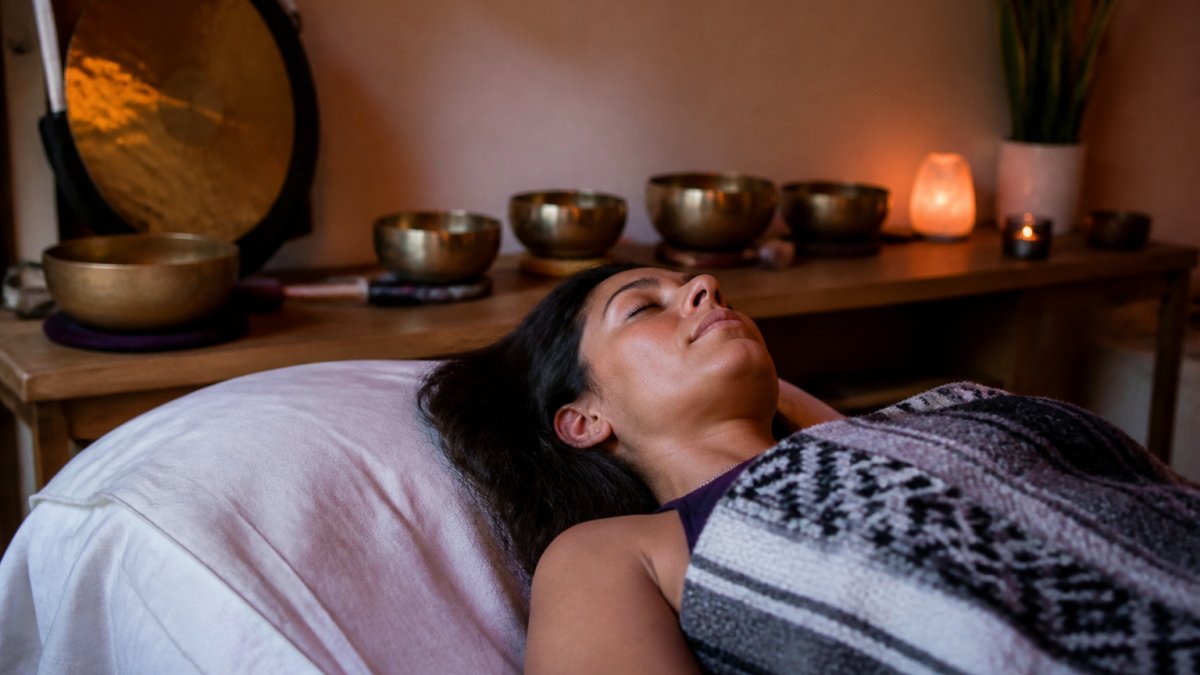
The setup. You lie down fully clothed on a padded table or mat. Lights are low. The practitioner may place singing bowls on or near your body, stand gongs and chimes around the room, or use tuning forks close to your ears.
During the session. You'll hear tones and feel vibrations move through the table and, sometimes, through your chest and limbs. Common sensations: slower breathing, heaviness in the legs, warmth, tingling, a sudden emotional welling-up, or drifting in and out of sleep.
If something feels off. Too loud, too intense, a frequency that grates, a wave of anxiety, raise a hand or say "pause." Facilitators expect this. You are not ruining the session.
The close. Most practitioners give you a few quiet minutes before you sit up, then a short check-in. Sit up slowly. Your blood pressure and breathing have likely dropped, and standing too fast can leave you lightheaded.
How Long Does a Sound Healing Session Last
A typical single session sound healing lasts between 30 and 60 minutes. Most people book a 45-minute or 60-minute session for their first time.
Here's what that time usually includes:
- 5-10 minutes: Check-in and settling in
- 30-50 minutes: Active sound healing with instruments
- 5-10 minutes: Gentle transition back to normal awareness
Shorter sessions (30 minutes) work well if you're trying sound healing for the first time or have limited availability. Longer sessions (60 minutes) give your body more time to sink into deep relaxation and often produce more noticeable shifts.
The length matters less than consistency. A single 45-minute session can create real benefits. You don't need to commit to multiple appointments to feel something shift.
Sound Healing for Stress Relief
Stress lives in your body. Your shoulders tense. Your jaw clenches. Your breathing becomes shallow. Sound healing addresses stress at that physical level, not just mentally.
When you're exposed to specific frequencies and vibrations, your nervous system gets a signal to downshift. Your heart rate can slow. Your breathing deepens. Your muscles begin to release the tension they've been holding.
Many people report feeling noticeably calmer during a single session. The effect often continues for hours afterward, some notice they sleep better that night or wake up feeling more at ease the next morning.
The key is that sound healing doesn't require you to "do" anything. You don't have to meditate, visualize, or think positive thoughts. You just receive the vibrations, and your body responds.
Real Benefits You Can Feel After One Session
Here's where most articles get vague. Let's separate what a single session can plausibly do from what it can't, and give you a way to check your own response.
What one session can realistically produce:
- A shift in how relaxed you feel, often noticeable within the session and for a few hours after
- Slower, fuller breathing, many people notice their exhale lengthening without trying
- Looser shoulders, neck, or jaw, the kind of tension you didn't realize you were holding
- A quieter mind, the mental chatter doesn't stop, but it often gets less loud
- Easier sleep that night, a common report, though not guaranteed
- Emotional release, sometimes tears, sometimes just a heaviness lifting
What one session is not:
It's not a treatment for anxiety disorders, depression, chronic pain, PTSD, or insomnia. It's not a substitute for therapy, medication, or medical care. The research on sound healing is promising but limited, most studies are small, and results are measured by self-report. That doesn't make your experience unreal. It just means we should be honest about what's proven versus what's reported.
A useful way to think about it: a single session is a deep rest. Deep rest is genuinely valuable. It is not a cure.
How to check your own response.
Before the session, rate three things on a 1-10 scale: how stressed you feel, how tense your body feels, and how clear your head feels. After the session, rate them again. Same numbers, same day. This isn't clinical proof of anything, it's just a simple way to notice whether something shifted for you, rather than relying on a vague memory.
A few days later, ask yourself: did I sleep differently that night? Did anything feel easier the next morning? Patterns show up over time. One data point is a data point, not a verdict.
The honest caveat. Some people feel a profound shift in one session. Some feel subtle changes. Some feel nothing in the moment and notice it two days later. All of those are normal. If you're managing chronic stress or pain, one session gives you a taste of what's possible, regular sessions tend to produce more sustained results.
Sound Healing Safety and Contraindications
Sound healing is generally safe for most people. It's non-invasive, requires no special physical ability, and has no known serious side effects.
A few situations where you should check with your practitioner first:
- Pregnancy: Sound vibrations are safe, but let your practitioner know so they can adjust positioning and intensity
- Recent surgery: Wait until you've been cleared by your doctor before scheduling
- Severe hearing loss: You'll still feel vibrations, but your experience will be different
- Pacemakers or implanted devices: The vibrations can sometimes interfere; check with your cardiologist first
- Seizure disorders: Some people are sensitive to certain frequencies; discuss with your neurologist
Most practitioners will ask about your health history before your first session. Be honest about any conditions, medications, or concerns. A good practitioner adjusts the session to match your needs.
How to Know If Sound Healing Is Right for You
Sound healing works best if you're looking for deep relaxation and are open to trying something different. You don't need to be spiritual or believe anything specific for it to work.
Ask yourself:
- Do I struggle with stress and want a way to genuinely relax?
- Am I open to trying something unfamiliar?
- Do I want a session that doesn't require me to think or perform?
- Do I value personalized care from a skilled practitioner?
If you answered yes to most of these, sound healing is worth trying. Many people feel the difference immediately.
Body Alchemy Sedona specializes in creating sessions tailored to what your body actually needs. We prioritize the well-being of our practitioners, which means you're working with someone who's rested, present, and genuinely skilled at their craft. Whether you visit our studio or book a mobile appointment, the experience is designed to help you reconnect with what it feels like to truly rest.
What to Do After Your Session
The hour or two after your session matters. Your nervous system is in a relaxed state, and a few simple steps help you hold onto that benefit.
Drink water. Sound work can shift things in your body. Water helps integrate those shifts and keeps you grounded.
Rest if you can. Don't rush back to emails or stressful tasks. Give yourself at least 30 minutes of quiet time if possible.
Notice what you feel. Pay attention to your body over the next few hours and days. Some benefits show up immediately. Others unfold slowly.
Don't over-analyze. If you felt amazing, great. If you felt subtle shifts, that's also real. Every body responds differently.
Journal if it helps. Writing down what you experienced helps you track patterns and remember what shifted.
The real power of a single session often shows up in how you sleep that night or how you feel the next morning. Many people wake up noticing they're calmer, their breathing is slower, or their body feels less tense than usual.
A single sound healing session creates real, noticeable shifts in how your body feels and how your nervous system responds to stress. You don't need to commit to multiple appointments to experience benefits. One session with a skilled practitioner can reset your nervous system, ease physical tension, and give you a genuine taste of what deep relaxation feels like. At Body Alchemy Sedona, we create personalized sound healing sessions designed specifically for your body's needs.
National Center for Complementary and Integrative Health guidance on sound therapy
American Massage Therapy Association resources on complementary healing practices
Stress management research from the American Psychological Association
Frequently Asked Questions
Can one sound healing session actually help with stress?
Yes. A single session can shift your nervous system into a relaxation response. Many people report feeling noticeably calmer, with reduced heart rate and blood pressure, even after their first visit. The effects tend to be strongest immediately after and in the hours following the session. Whether those benefits stick around depends on your stress levels and what you do after, but the immediate relief is real and often noticeable.
What should I do after a sound healing session?
Take it slow. Drink water, rest if you can, and avoid jumping straight back into stressful activities. Many people feel deeply relaxed or even a bit spacey afterward, so don't drive if you're too drowsy. Some folks experience emotional release, which is normal, give yourself space for that. The session's benefits tend to deepen if you stay calm and hydrated for the rest of the day.
Is sound healing safe for everyone?
Generally yes, but there are exceptions. Avoid sound healing if you have severe hearing loss, a pacemaker, or are in early pregnancy without medical clearance. If you have epilepsy triggered by sound or vibration, check with your practitioner first. People with metal implants should mention this too. Most practitioners will ask about your health history, be honest so they can tailor the session safely to you.
How long does a typical sound healing session last?
Most sessions run 45 minutes to an hour, though some are shorter or longer depending on the studio. The actual sound work usually takes up 30-50 minutes of that time, with a few minutes before and after for settling in and grounding. Longer sessions tend to allow for deeper relaxation, but even a shorter session can deliver real benefits if you're new to sound therapy.