 how-to
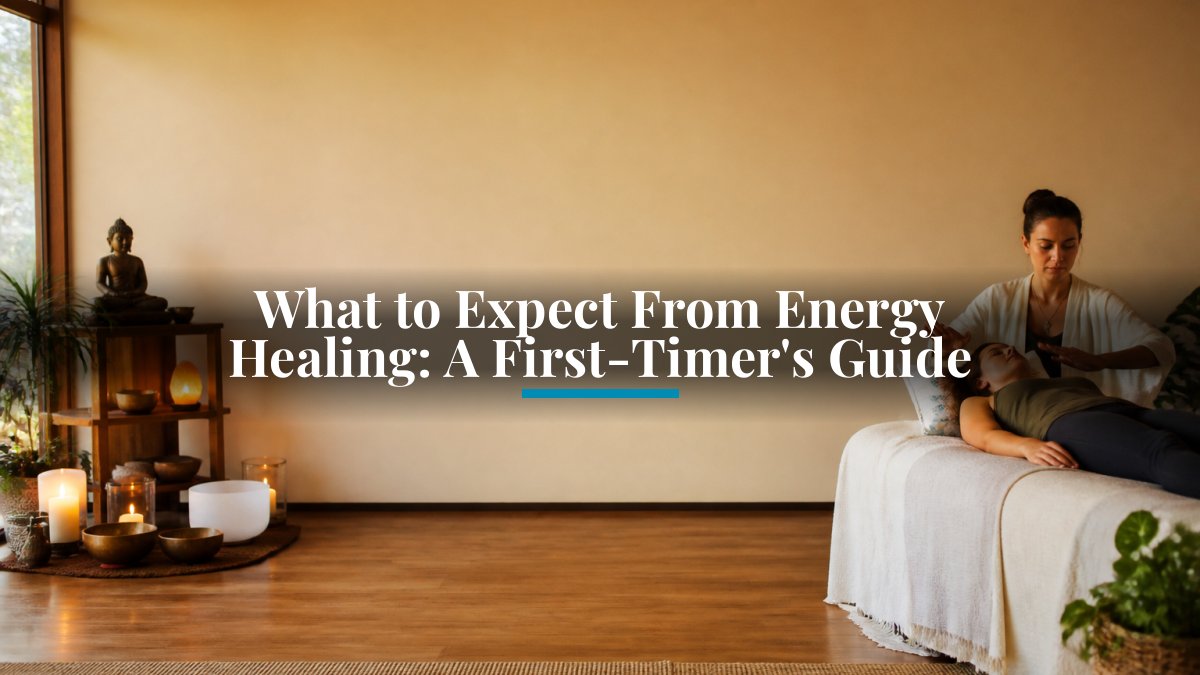
What to Expect From Energy Healing: A First-Timer's Guide
Table of Contents
- What to Expect From Energy Healing: The Honest Version
- How to Prepare for an Energy Healing Session
- What Happens During a Session, Step by Step
- Sensations During Energy Healing: What People Actually Feel
- What Happens After an Energy Healing Session
- What to Avoid After Reiki or Energy Work
- If You Feel Nothing, Feel Uncomfortable, or Want to Stop
- Choosing a Practitioner and Setting Realistic Expectations
- Frequently Asked Questions
Last Updated: October 19, 2026
What to Expect From Energy Healing: The Honest Version
Energy healing is a complementary practice where a trained practitioner uses light touch or hands held just above the body to support relaxation and a sense of balance.
Fair questions. Here's the honest answer up front: energy healing won't cure anything. What it can do is help your nervous system settle. Many people leave feeling calmer than they've felt in weeks.
Below, we'll walk you through a real first session, start to finish, so you know exactly what you're signing up for. No mystical sales pitch.
The National Center for Complementary and Integrative Health's overview of Reiki and biofield therapies is worth a read before you book. It explains the practice plainly and is upfront about what the research does and doesn't show.
How to Prepare for an Energy Healing Session
Preparation is simple: arrive comfortable, fed, and unhurried. The goal is to walk in already calm, not to rush in from traffic and spend the first fifteen minutes settling.
Before You Arrive
A few small things make a difference:
- Wear loose, comfortable clothing. You stay fully dressed the whole time.
- Eat something light an hour or two before. An empty stomach makes it hard to relax.
- Skip alcohol and heavy caffeine beforehand.
- Leave your phone in the car or on silent.
- Tell your practitioner about injuries, recent surgeries, or anything that affects lying down for a while.
One common mistake is booking a session in the middle of a packed day. Give yourself buffer time after. The quiet that follows is part of the benefit, and rushing out the door undoes it.
What Happens During a Session, Step by Step
A typical session runs about 60 minutes, and the whole visit usually takes closer to 75 or 90 once you factor in intake and settling. You lie fully clothed on a massage table, usually under a light blanket, and the practitioner works through a set sequence of hand positions. Here's the real walkthrough, including the parts most articles skip.
- Booking. You'll usually be asked a few questions when you book, what you're hoping to get out of it, whether you've had energy work before, and any health conditions. Be honest here. It helps the practitioner pace the session and flag anything that needs a doctor's input first.
- Arrival (5-10 minutes). You'll fill out a short intake form and sit down with the practitioner. This is where consent gets handled: they should ask about touch preferences, whether you're okay with light touch or prefer hands hovering, and any areas to avoid. If they don't bring it up, you can.
- Settling in. You lie down, get comfortable, and the practitioner invites you to close your eyes. You stay fully dressed. Shoes usually come off; that's it.
- Guided breathing. A few slow breaths to help your body shift out of fight-or-flight mode.
- Hand placements. The practitioner moves through positions around your head, shoulders, torso, and feet. Some stay in one spot for a few minutes; others move more quickly. There's no pressure or manipulation.
- Quiet rest. Most sessions end with a few minutes of stillness so you can come back slowly. The practitioner usually steps back and lets you open your eyes on your own time.
- Brief check-in. You share what you noticed, and they share anything they observed. This is also your chance to say if something felt off.
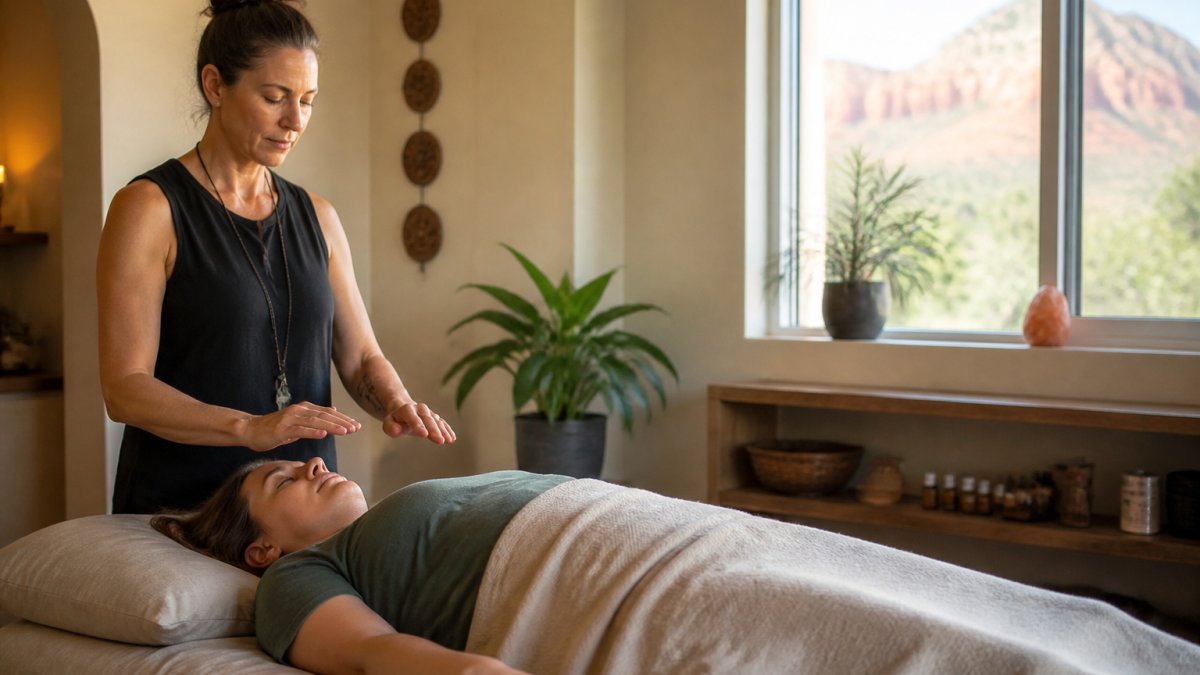
Hands Hovering, Light Touch, and Guided Breathing
There are two common styles. Some practitioners keep their hands a few inches above the body, a technique often called hands hovering. Others use light touch, resting hands gently on the body or just above the shoulders and feet.
Neither involves pressure or manipulation. This isn't massage. If you've had bodywork before, expect something much quieter.
Guided breathing ties it together. Slow, deliberate breaths signal safety to your nervous system, which is a big part of why people feel so relaxed afterward. The Harvard Health overview of relaxation response techniques explains how breathing and relaxation practices affect the body.
Sensations During Energy Healing: What People Actually Feel
Sensations during energy healing vary widely, and feeling nothing at all is common and normal. There's no required experience, and no "right" way to respond.
What people report most often:
- Warmth or coolness in certain areas
- Tingling in the hands, feet, or scalp
- A sense of heaviness, like sinking into the table
- Gentle pulsing or vibration
- Emotional release, sometimes tears, sometimes a wave of relief
- Deep drowsiness
Some people feel all of this. Others feel nothing beyond a pleasant hour of rest. Both are valid outcomes.
The thing nobody tells you about energy work is that the sensations are secondary. The real marker is how you feel the next day. If you slept better or felt lighter, something shifted, whether or not you felt tingling in the moment.
What Happens After an Energy Healing Session
Most people leave feeling calm, a little spacey, or pleasantly tired. Some feel energized instead. Both are common.
Give yourself a soft landing. Drink water. Avoid jumping straight into a stressful meeting or a heated argument. A slow walk or a quiet cup of tea helps you stay in that relaxed state a bit longer.
Some people notice effects over the following days and weeks: better sleep, less jaw tension, a lighter mood. Others notice nothing beyond the session itself.
If you're in Sedona for a short visit, one session can still be worthwhile as a reset. Think of it as a deep pause rather than a treatment plan.
What to Avoid After Reiki or Energy Work
What to avoid after Reiki or energy work is mostly common sense: skip alcohol, heavy meals, and high-stress situations for the rest of the day. Your body just did some quiet work. Give it room to finish.
A short list:
- No alcohol for the rest of the day
- Avoid scheduling back-to-back demands right after
- Don't rush into driving long distances if you feel drowsy
- Skip intense workouts if you feel wiped out
- Hold off on big decisions if you feel emotionally raw
You don't need to follow strict rules or "detox" rituals. Anyone selling you supplements or special protocols to "clear your energy" after a session is upselling, not helping.
If You Feel Nothing, Feel Uncomfortable, or Want to Stop
Feeling nothing is not a failure. Neither is feeling uncomfortable. You are always in charge of the session.
If you feel nothing: mention it afterward. A good practitioner won't argue or tell you that you "blocked" the energy.
If you feel uncomfortable: say so, out loud, right away. You can ask them to stop, change position, or end the session early.
If you want to stop: you can. At any point. No explanation needed.
Consent is ongoing, not a one-time checkbox. You should feel free to say "not there" or "lighter pressure" or "I'd rather you didn't touch my feet" at any moment. That's normal, and it's expected.
Choosing a Practitioner and Setting Realistic Expectations
Choosing the right practitioner matters more than the technique itself. Look for someone who explains things plainly, asks about your health history, and doesn't make medical claims. That last part is the clearest signal. A practitioner who frames energy work as relaxation support, not treatment, is usually the one worth your time.
Questions worth asking before you book:
- What training do you have, and how long was it?
- Do you offer light touch, hands hovering, or both?
- How do you handle consent and check-ins during a session?
- What do you recommend for someone with chronic pain or high stress?
- What should I expect to feel, honestly?
- Do you coordinate with anyone's medical care, or work alongside a doctor?
Red flags: promises to cure illness, pressure to buy packages before you've had one session, vague answers about training, or anyone who tells you to stop prescribed medication.
What the Evidence Can and Can't Tell You
This is the part most articles skip. The research on energy healing is mixed and limited. Some studies suggest benefits for relaxation, stress, and pain comfort, but the quality of evidence is generally low, and many trials are small or poorly controlled. That doesn't mean it's worthless. It means the honest claim is modest: it may help you relax, and relaxation has real value. It is not a treatment for disease.
The National Center for Complementary and Integrative Health's overview of Reiki and biofield therapies lays this out plainly. Read it before you book if you want the unvarnished version.
Safety and Scope of Practice
Energy healing is generally considered low-risk when practiced responsibly. The main safety issues aren't the technique itself, they're the boundaries around it. A few things to keep in mind:
- Tell your practitioner about injuries, recent surgeries, pregnancy, or anything that affects lying down for an hour.
- If you have a medical condition, talk to your doctor first. Energy work is complementary, not a replacement for medical care.
- You can decline touch at any point, and you can end a session early. No explanation needed.
- If a practitioner makes claims about diagnosing or treating illness, walk away.
Energy healing sits alongside good sleep, movement, and whatever else supports your health. Keep your expectations grounded: relaxation, nervous system regulation, and a quiet hour to yourself. That's a real benefit. It's just not magic.
Our sessions blend energy work with breathwork and bodywork, all led by trained therapists. If you're curious, book one session and see how you feel. That's the only test that matters.
Frequently Asked Questions
How long does an energy healing session usually last?
Most sessions run 60 to 90 minutes, including a short intake conversation at the start and a few quiet minutes at the end so you can sit up slowly. Your first visit often runs a little longer because the practitioner will ask about your health history, what you're hoping for, and any areas of discomfort. Ask about length when you book so you can plan the rest of your day without rushing out the door.
Is energy healing a substitute for medical care?
No. Energy healing is a complementary practice, not a replacement for diagnosis or treatment from a licensed medical provider. If you have an injury, chronic pain, or a health condition, keep working with your doctor and tell your practitioner what you're managing. A good practitioner will ask about your medical history, respect any contraindications, and never suggest you stop a treatment plan. Think of a session as support for relaxation and stress, not a cure.
What should I avoid after Reiki or energy healing?
Skip alcohol and heavy recreational substances for the rest of the day, and go easy on caffeine if you're sensitive to it. Many people feel drowsy or spaced out afterward, so avoid driving long distances or making big decisions right away. Drink water, eat something grounding, and give yourself a quiet evening if you can. There's no strict rulebook, but treating the hours after a session as low-key tends to feel better than jumping straight back into a packed schedule.
What might I feel during energy healing?
Common reports include warmth, tingling, gentle vibration, or a sense of heaviness in the limbs. Some people feel emotional and tear up without an obvious reason, and others feel nothing unusual at all. Both are normal. Sensations vary widely between people and between sessions, so don't measure your experience against someone else's. If anything feels uncomfortable, tell your practitioner; you're always in charge of what happens on the table.
Most people carry more stress than they realize, and a single quiet hour can show you just how much. If you're ready to slow down and reconnect with your body, Body Alchemy Sedona offers therapist-led energy work, breathwork, and bodywork in-studio or through mobile appointments. Every session is tailored to you, and every practitioner is trained to meet you where you are. Dive in with us and give yourself the pause you've been putting off.