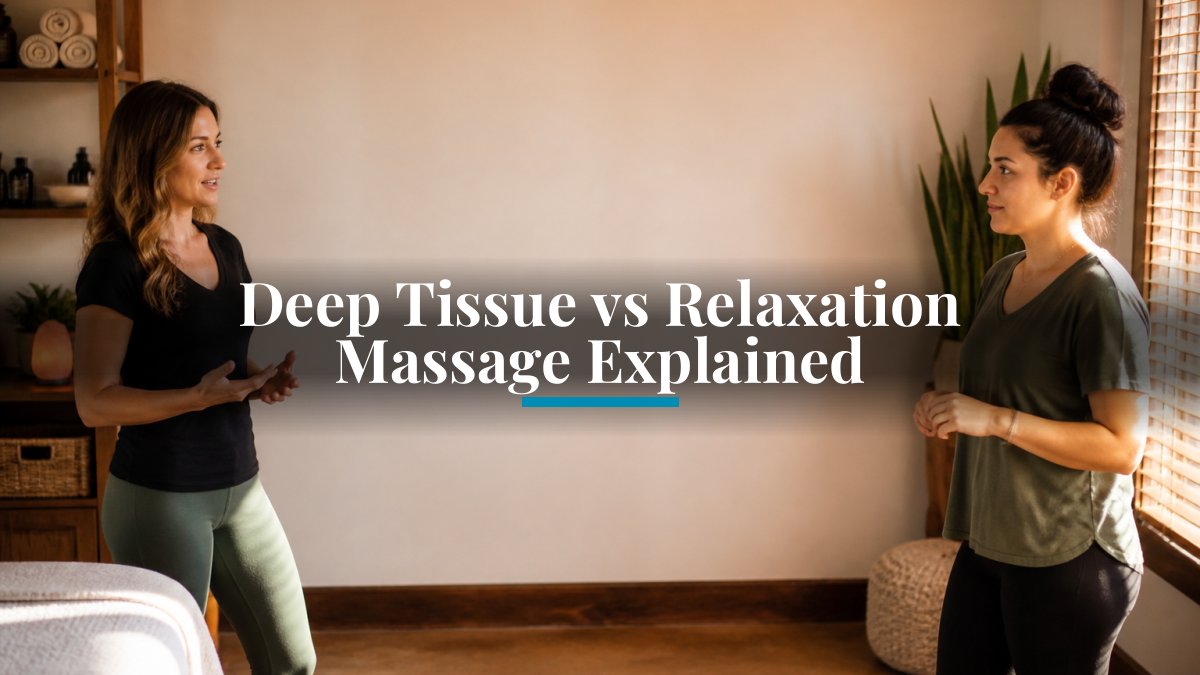
 comparison
Sedona Wellness Retreat Alternatives to Body Works
Table of Contents
- Why Retreat Seekers Look Beyond a Single Provider
- How to Choose a Wellness Retreat That Fits Your Needs
- Sedona Massage Therapy Options for Retreat Visitors
- Sedona Energy Healing and Transformational Experiences
- Sedona Yoga and Sound Healing for Nervous System Reset
- Retreat Centers Offering Integrated Wellness Packages
- Comparison: What Sets Different Providers Apart
- Making Your Final Decision
- Frequently Asked Questions
Last Updated: October 21, 2026
Why Retreat Seekers Look Beyond a Single Provider
Choosing the right practitioner or retreat center can make or break your experience, which is why exploring sedona wellness retreat alternatives matters.
No single provider works for everyone. A sedona wellness retreat alternative isn't about finding a replacement, it's about matching what you need to the right fit.
This guide covers how to evaluate options and compare approaches, so whether you want a massage therapist, energy healer, yoga instructor, or full retreat package, you can choose well.
How to Choose a Wellness Retreat That Fits Your Needs
Picking the right retreat experience starts with honest self-assessment. Before you compare providers, get clear on what you're actually seeking.
Defining Your Retreat Goals
What brings you to a wellness retreat? Burnout recovery, chronic pain, spiritual practice, nervous system reset, each goal points toward different modalities and practitioners.
Write down what you hope will shift, not just the surface goal, the deeper one. "I want to sleep better" might really mean "I want to feel safe in my body again." That distinction changes which modalities serve you best.
Evaluating Practitioner Qualifications and Experience
Credentials matter, but they're only part of the picture. A licensed massage therapist has training; an energy healer might have years of practice without formal licensure. Both can be excellent, the question is whether their specific training addresses your situation.
Ask direct questions: How long have they worked with your issue? What's their training background? For trauma-informed bodywork or chronic pain, experience counts more than general credentials.
Sedona Massage Therapy Options for Retreat Visitors
Massage therapy is often the anchor of a wellness retreat. Deep tissue, Swedish, myofascial release, and sports massage each serve different purposes.
The real differentiator isn't the technique's name, it's the practitioner's ability to listen to your body and adjust.
Body Alchemy Sedona offers custom massage therapy tailored to your needs, whether you're dealing with chronic tension, recovering from injury, or seeking deep relaxation.
Sedona Energy Healing and Transformational Experiences
Energy work sits at the intersection of intuition and science. Some visitors are skeptical; others come specifically seeking it. Both responses are common.

Practitioners work with your energetic field, sound, crystals, or breathwork. The underlying idea: your body holds emotional, physical, and energetic patterns, and releasing them supports healing.
Does it work? People report shifts in how they feel, often after one session.
If you want integrated multi-day programming, other retreat structures might suit you. If you prefer one practitioner across multiple sessions or mobile appointments at your hotel, Body Alchemy works differently.
Sedona Yoga and Sound Healing for Nervous System Reset
Yoga and sound healing both work directly with your nervous system, and they're often paired because they complement each other.
Yoga moves stagnant energy and tension out of your body, active healing.
Choosing a yoga class? Look for gentle or restorative styles if you want calm; vinyasa and power yoga are more activating.
Body Alchemy Sedona includes both yoga and sound healing in our holistic offerings.
Retreat Centers Offering Integrated Wellness Packages
Most retreat centers sell a schedule. The better question is whether that schedule can flex around you, and whether the bodywork provider can support your itinerary, group size, and on-site needs. That's where retreat planning usually goes sideways.
What 'Integrated' Actually Means
A truly integrated package isn't just yoga at 8, massage at 10, and a sound bath at 4. It's a program where the modalities talk to each other: the massage therapist knows you did intense breathwork that morning, the yoga instructor knows about your shoulder injury, the energy worker knows you're here for grief, not general relaxation.
When comparing retreat centers, ask one direct question: Does the bodywork team coordinate with the rest of the program, or does each practitioner work in a silo? A center that coordinates will usually have an intake form, a short pre-retreat call, or a shared note system.
Group Bookings and On-Site Sessions
Bringing a group, a women's circle, a corporate reset, a friend trip, changes the logistics fast. You need to know:
- Group capacity: How many people can the provider handle in a day without rushing sessions? One therapist doing six 60-minute sessions back-to-back is a different experience than two splitting the load.
- On-site setup: Does the provider bring tables, linens, and music to your rental, or do you arrange a room? The space needs to be quiet, private, and large enough for a table.
- Lead time: Group bookings usually need more notice than single sessions, often two to four weeks for small groups, longer during peak retreat season.
Single-Session vs. Multi-Day Commitment
Not everyone wants a structured program. Some visitors build their own rhythm: deep massage day one, gentle yoga day two, an energy session the last afternoon. That gives you control, but you're the one coordinating schedules and travel time.
A retreat package removes that coordination burden; a session-by-session model keeps the flexibility. Neither is better, they solve different problems.
Matching the Package to Your Goal
A silent meditation retreat is a poor fit if your goal is active recovery from a sports injury. A high-intensity yoga retreat is a poor fit if your nervous system is already fried.
If you want integrated multi-day programming, a retreat center model works well, but sedona wellness retreat alternatives like session-based bodywork providers often fit better if you prefer flexibility.
Comparison: What Sets Different Providers Apart
Most provider pages tell you what they offer; few tell you how to compare them. Here's a practical framework for evaluating a retreat center, a solo practitioner, or a mobile bodywork team.
In-Studio vs. Mobile Appointments
In-studio sessions mean traveling to the practitioner's space, grounding, since a dedicated healing environment does part of the work. Mobile appointments come to you, saving time and energy if you're at a hotel or retreat center; for anyone managing pain or fatigue, that convenience can be the difference between booking and skipping.
| Appointment Type | Best For | Practical Trade-off |
|---|---|---|
| In-studio | Immersive experience, dedicated healing space | You travel; the environment is purpose-built |
| Mobile | Convenience, minimal travel, staying at a retreat center | Saves energy; requires a quiet, private room |
A provider that offers both gives you options mid-retreat. You might book in-studio for a longer session and mobile for a quick follow-up.
Modality Comparison: What Each One Actually Does
Modalities aren't interchangeable. They work on different systems and produce different outcomes. Here's a plain-language comparison:
| Modality | Primary Mechanism | Best For | Intensity |
|---|---|---|---|
| Swedish massage | Circulation, relaxation, light pressure | Stress relief, first-time bodywork | Low |
| Deep tissue | Sustained pressure on tension patterns | Chronic tension, old injuries | Medium-high |
| Myofascial release | Connective tissue work, slow pressure | Restricted movement, postural patterns | Medium |
| Sports massage | Targeted work around training and recovery | Active recovery, athletic goals | Medium-high |
| Energy healing | Nervous system settling, subtle body work | Stress, grief, spiritual reset | Low |
| Sound healing | Vibration and receptive rest | Nervous system reset, sleep support | Low |
| Restorative yoga | Gentle movement and held poses | Calm, mobility, down-regulation | Low |
Use this as a starting point, not a prescription. A skilled practitioner will blend modalities based on what your body does in the session.
Session Length and Practitioner Approach
Session length matters more than most people expect. Sixty minutes is enough for focused work on one area; ninety allows full-body work plus focused time. Anything shorter is usually a spot treatment, not deep work.
Practitioner approach is harder to compare on paper. Ask three questions before you book:
- Do you adjust pressure based on feedback during the session, or follow a set protocol? Good practitioners adapt.
- How do you handle a client with a history of trauma or chronic pain? The answer tells you whether they're trained in trauma-informed care.
- What does a typical session look like from start to finish? Vague answers are a yellow flag.
Retreat-Specific Suitability
This is the comparison most provider pages skip. A practitioner can be excellent and still be a poor fit for a retreat itinerary. Ask:
- Can you work around a retreat schedule? Early morning and evening slots are common retreat needs.
- Do you offer on-site sessions at retreat centers or rentals? Confirm the room requirements and any travel fee.
- Can you coordinate with other practitioners on the retreat team? A bodyworker who talks to the yoga instructor will give you a more coherent experience.
Credentials and Safety Checks
Credentials vary by modality. Massage therapists are state-licensed; energy healers and sound practitioners often aren't, which doesn't make them less skilled, it means asking different questions. Look for training hours, years in practice, and experience with your specific situation.
Also ask about contraindications. Deep tissue isn't appropriate during certain acute injuries or medical conditions. A responsible practitioner asks about your health history and tells you when a modality isn't right for you, that honesty beats a provider who says yes to everything.
Setting Realistic Expectations
One session can create a real shift, but it rarely resolves chronic pain or long-standing stress on its own. A realistic goal is feeling calmer, moving more easily, or sleeping better that night.
That's the honest comparison framework: match the modality to your goal, check the practitioner's approach and safety practices, and confirm the logistics work for your retreat. Everything else is marketing.
Making Your Final Decision
Start with clarity about what you need.
Trust the fit. Retreat work is personal, you're inviting someone into your healing process.
One session can create real shift. But for chronic pain, trauma, or significant stress, expect it to be a beginning, not a complete reset.
Finding the right wellness retreat experience comes down to matching your actual needs with the right practitioner or program.
Frequently Asked Questions
What are the main differences between massage therapy and energy healing in a wellness retreat?
Massage therapy focuses on physical manipulation of muscles and tissues to relieve tension and pain, often addressing specific areas of discomfort. Energy healing works with the body's subtle energy systems and may include modalities like Reiki or sound healing. Many retreat seekers benefit from both, massage provides immediate physical relief, while energy work supports nervous system regulation and emotional release. The best choice depends on whether you're seeking pain relief, stress reduction, or spiritual transformation.
How do I know if a Sedona wellness retreat is right for me if I'm only visiting for a long weekend?
A single retreat or session can absolutely create meaningful shifts, especially if you're clear about what you need. Look for providers offering intensive experiences rather than multi-day commitments. Ask about their intake process, practitioners who ask detailed questions about your goals, injuries, and stress patterns can design a more impactful session. Many visitors report that one deeply intentional session provides the reset they needed. Focus on quality and personalization over quantity.
What questions should I ask before booking a Sedona massage therapy or energy healing session?
Ask about the practitioner's training, certifications, and experience with your specific needs (chronic pain, stress, spiritual work, etc.). Inquire about their approach, do they customize sessions or follow a standard protocol? Ask about the intake process and whether they discuss your goals beforehand. For mobile appointments, ask about screening procedures and cancellation policies. A good practitioner will answer these questions thoroughly and make you feel heard and safe.
Can I book individual sessions outside of a formal retreat package?
Yes. Many Sedona wellness providers offer single sessions in their studios or through mobile appointments, so you don't need to commit to a full retreat. This is ideal if you're visiting for a short time or want to try a practitioner before investing in a longer package. Some providers also offer flexible options, you can book one session and then add more if you feel the benefit. Ask each provider about their booking flexibility and whether they offer package discounts for repeat clients.
How do I evaluate whether a retreat center's services match what I'm looking for?
Start by reviewing their service offerings, do they provide the modalities you want (massage, yoga, sound healing, energy work)? Check whether they offer customized packages or preset programs. Look for reviews or testimonials from people with similar goals. Ask whether they have experience with your specific needs, like chronic pain or spiritual transformation. A retreat center that asks good intake questions and tailors experiences is usually a better fit than one with a one-size-fits-all approach.